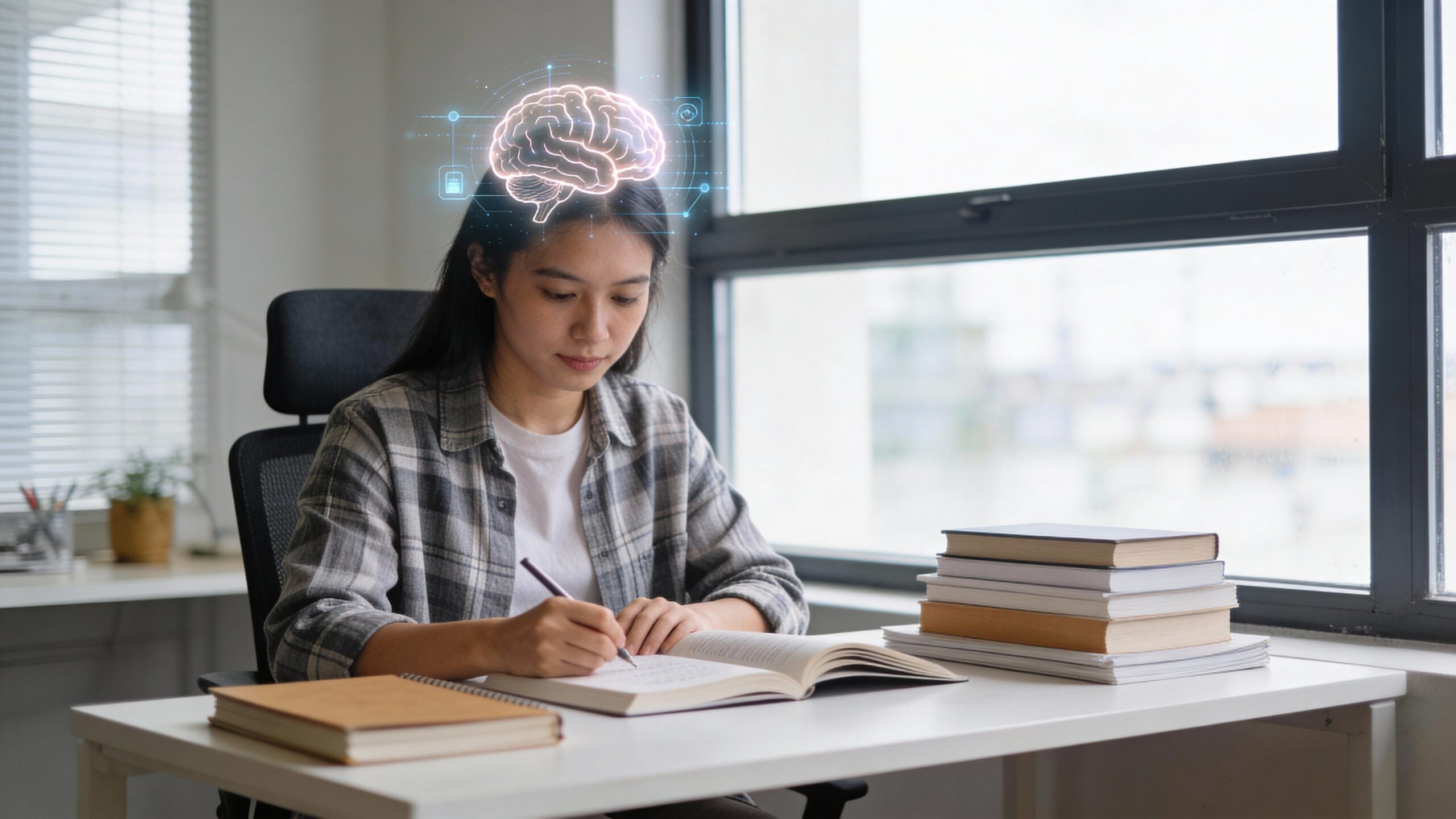
Learning is one of the most remarkable abilities of the human brain. From the moment we are born, our brains begin absorbing patterns, sounds, movements, and ideas, gradually transforming raw experiences into knowledge, skills, and memories. Yet learning is not simply about memorization or repetition. It is a complex biological and psychological process shaped by neurons, chemistry, attention, emotion, and environment. Understanding how the brain learns can unlock powerful strategies for students, educators, professionals, and anyone seeking to improve their ability to acquire new skills and knowledge. This guide explores the science behind learning, how memory is formed, why some learning techniques work better than others, and how to optimize your brain for lifelong learning.
A: It’s normal—use spaced reviews and retrieval practice to lock learning in over time.
A: It’s fine for orientation, but you’ll remember far more by testing yourself and explaining concepts.
A: Often 25–45 minutes with short breaks; stop before attention collapses and return later.
A: Close your notes and produce it: solve problems, answer questions, or teach it out loud.
A: Light highlighting can guide review, but it’s weak alone—pair it with questions and recall.
A: Mix practice once basics are learned; interleaving improves real-world problem solving.
A: Sleep supports consolidation; consistent sleep often improves recall, focus, and skill learning.
A: Use timed practice, breathing resets, and “easy wins” first to stabilize attention and momentum.
A: Use multiple formats, but focus on methods that work for everyone—retrieval, spacing, and practice.
A: Replace some rereading time with daily self-quizzing and short spaced review sessions.
The Brain as a Learning Machine
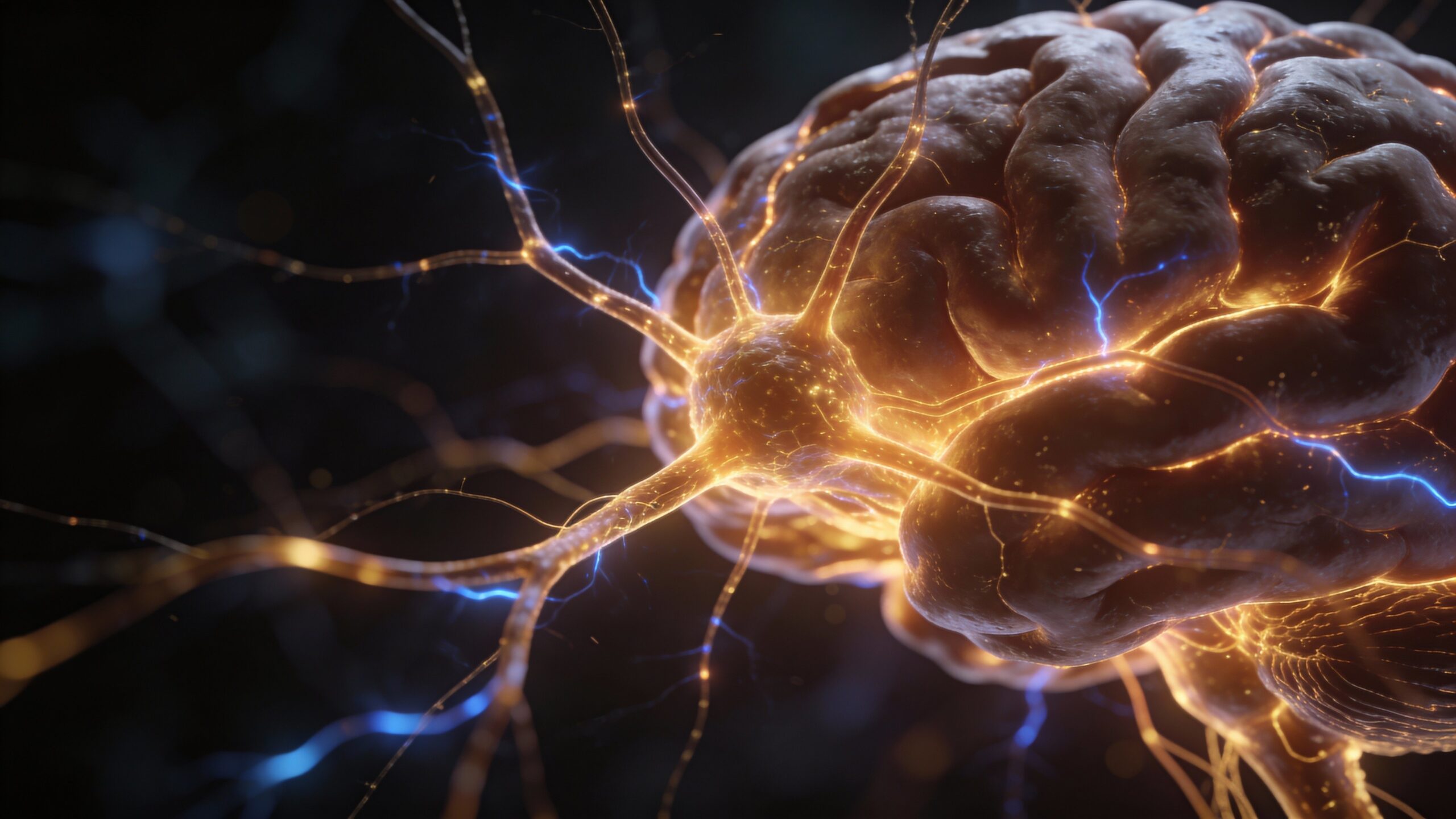
The human brain contains roughly 86 billion neurons, each connected to thousands of others through synapses. These neural networks form the physical foundation of learning. When you learn something new—whether a language, a musical instrument, or a math concept—your brain changes. Neurons fire together, connections strengthen, and new pathways form. This phenomenon, known as neuroplasticity, allows the brain to adapt, reorganize, and grow throughout life.
Learning is not confined to childhood. Adult brains remain plastic, meaning they can continue to build new connections and refine existing ones. The idea that the brain stops learning after a certain age is a myth. In reality, learning simply becomes more dependent on attention, motivation, and practice as we grow older.
Neuroplasticity: How the Brain Changes with Learning
Neuroplasticity is the brain’s ability to change its structure and function in response to experience. When you practice a skill repeatedly, the neurons involved become more efficient, and the connections between them strengthen. This process is often described as “neurons that fire together wire together.”
At the cellular level, learning involves changes in synaptic strength, the growth of new dendritic branches, and sometimes the creation of entirely new neurons in certain brain regions such as the hippocampus. These changes are not static. If a skill is not used, neural connections can weaken or disappear, a process known as synaptic pruning. This is why consistent practice is essential for long-term learning.
The Role of Memory in Learning
Learning and memory are closely linked but not identical. Learning refers to acquiring new information or skills, while memory refers to storing and retrieving that information. Memory is typically divided into three main types: sensory memory, short-term memory, and long-term memory.
Sensory memory briefly holds information from the senses, such as the sound of a word or the image of a page. Short-term memory, also called working memory, holds information temporarily while you use it, such as solving a math problem or following directions. Long-term memory stores knowledge and experiences for extended periods, sometimes for a lifetime.
For learning to be effective, information must move from short-term memory to long-term memory. This process, called consolidation, occurs during sleep and rest, when the brain reorganizes and strengthens neural connections.
The Hippocampus and Learning
The hippocampus plays a central role in forming new memories and linking them to existing knowledge. It acts as a temporary storage system that helps transfer information to the cortex for long-term storage. Damage to the hippocampus can severely impair the ability to form new memories, even if older memories remain intact. The hippocampus is particularly sensitive to stress, sleep, and exercise. Chronic stress can shrink the hippocampus and impair learning, while regular physical activity and adequate sleep can enhance hippocampal function and improve memory formation.
Attention: The Gateway to Learning
Attention is the brain’s filter that determines what information gets processed and stored. Without attention, learning is unlikely to occur. When you focus on a task, specific neural networks become active, and the brain prioritizes that information for memory formation.
Multitasking is often celebrated in modern culture, but neuroscience shows that the brain cannot truly focus on multiple complex tasks simultaneously. Instead, it switches rapidly between tasks, reducing efficiency and increasing errors. Deep, sustained attention is far more effective for learning than fragmented study sessions.
Emotion and Motivation in Learning
Emotions strongly influence learning. When information is emotionally meaningful, the brain releases neurotransmitters such as dopamine and norepinephrine, which enhance memory formation. Positive emotions like curiosity, excitement, and interest can boost learning, while fear and anxiety can either enhance or impair learning depending on intensity.
Motivation acts as the engine of learning. Intrinsic motivation, driven by curiosity and personal interest, tends to produce deeper and more lasting learning than extrinsic motivation, such as grades or rewards. However, external incentives can still play a useful role in initiating learning behaviors.
The Chemistry of Learning
Learning is driven by a complex interplay of neurotransmitters and hormones. Dopamine is associated with reward, motivation, and reinforcement learning. When you succeed or discover something new, dopamine reinforces the neural pathways involved, making it easier to repeat the behavior.
Acetylcholine is crucial for attention and learning, especially in the hippocampus and cortex. Glutamate is the primary excitatory neurotransmitter and plays a key role in synaptic plasticity. Cortisol, the stress hormone, can enhance memory in small doses but impair learning when chronically elevated.
Understanding these chemicals highlights the importance of lifestyle factors such as sleep, exercise, nutrition, and stress management in learning effectiveness.
How Practice Strengthens Learning
Practice is the process of repeatedly activating neural pathways to strengthen them. The brain becomes more efficient at tasks that are practiced frequently, a phenomenon known as skill acquisition. Early practice often involves conscious effort and slow performance, but with repetition, tasks become automatic as neural pathways become optimized.
Deliberate practice, which involves focused effort, feedback, and gradual challenge, is particularly effective for learning complex skills. Passive repetition, such as rereading notes without engagement, is far less effective because it does not strongly activate neural networks.
Spaced Repetition and Memory Retention
One of the most powerful learning strategies is spaced repetition, which involves reviewing information at increasing intervals over time. This technique leverages the brain’s forgetting curve, which shows that memory decays rapidly without reinforcement.
By spacing reviews, you reactivate neural pathways just as they begin to weaken, strengthening long-term retention. This approach is more effective than cramming, which produces short-term gains but poor long-term memory.
The Importance of Sleep in Learning
Sleep is not just rest; it is an active learning process. During sleep, the brain consolidates memories, strengthens neural connections, and removes unnecessary information. Deep sleep and REM sleep both play critical roles in memory consolidation.
Sleep deprivation impairs attention, memory formation, and problem-solving. Even a single night of poor sleep can significantly reduce learning capacity. Consistent, high-quality sleep is one of the most effective ways to enhance learning performance.
The Brain’s Learning Styles Myth
Popular culture often promotes the idea of learning styles, such as visual, auditory, or kinesthetic learners. While individuals may have preferences, scientific evidence does not support the idea that teaching methods should be matched to a specific learning style for better outcomes.
Instead, effective learning typically involves multiple sensory modalities and active engagement. Combining reading, listening, practice, and teaching others tends to produce the strongest learning outcomes.
Active Learning vs Passive Learning
Active learning involves engaging with material through problem-solving, discussion, teaching, or application. Passive learning involves simply consuming information, such as watching lectures or reading without interaction.
Research consistently shows that active learning leads to deeper understanding and better retention. Techniques such as self-testing, explaining concepts in your own words, and applying knowledge to real-world scenarios activate multiple brain regions and strengthen memory networks.
The Role of Context and Environment
Learning does not occur in isolation. Context, environment, and social interaction all influence how the brain learns. Rich, meaningful contexts help the brain link new information to existing knowledge, making it easier to remember and apply.
Social learning, including collaboration and teaching others, activates additional neural circuits and reinforces understanding. The act of explaining information to someone else is one of the most effective ways to deepen learning.
Learning Across the Lifespan
The brain continues to learn throughout life, but the mechanisms and challenges change with age. Children have high levels of neuroplasticity, making it easier to acquire new languages and skills. Adults retain plasticity but may require more deliberate practice and motivation.
Lifelong learning is associated with cognitive resilience and reduced risk of cognitive decline. Engaging in intellectually stimulating activities, learning new skills, and staying socially active can help maintain brain health well into older age.
The Impact of Technology on Learning
Digital technology has transformed how we learn, offering instant access to information, interactive platforms, and global collaboration. However, technology can also fragment attention and reduce deep learning if not used intentionally.
Effective digital learning requires strategies such as minimizing distractions, using interactive tools, and combining online learning with hands-on practice. Technology should enhance, not replace, cognitive engagement.
The Science of Forgetting
Forgetting is not a failure; it is a natural and necessary part of learning. The brain prioritizes information based on relevance and use. Memories that are not reinforced fade, freeing cognitive resources for new information. Understanding forgetting highlights the importance of review, application, and retrieval practice. The act of recalling information strengthens memory more effectively than passive review.
How Teaching Enhances Learning
Teaching others is one of the most powerful learning strategies. When you explain a concept, your brain organizes information, identifies gaps in understanding, and strengthens neural connections. This phenomenon, sometimes called the protégé effect, demonstrates that teaching is not just a way to share knowledge but a way to deepen it.
Creativity and Learning
Learning is not just about absorbing information; it is also about generating new ideas and connections. Creativity involves combining existing knowledge in novel ways, a process supported by the brain’s default mode network and executive control network.
Engaging in creative activities such as writing, art, problem-solving, and innovation enhances learning by encouraging flexible thinking and deeper understanding.
How Stress and Anxiety Affect Learning
Stress can have both positive and negative effects on learning. Moderate stress can increase alertness and memory formation, but chronic stress impairs hippocampal function, reduces attention, and hinders learning. Managing stress through mindfulness, exercise, social support, and relaxation techniques can significantly improve learning capacity and cognitive performance.
Nutrition and Brain Function
The brain is a metabolically demanding organ, consuming a significant portion of the body’s energy. Proper nutrition supports neurotransmitter production, neural health, and cognitive function. Diets rich in omega-3 fatty acids, antioxidants, and complex carbohydrates support learning, while excessive sugar and processed foods can impair cognitive performance.
Hydration is also crucial, as even mild dehydration can affect attention and memory.
Exercise and Learning
Physical exercise enhances learning by increasing blood flow to the brain, stimulating the release of growth factors such as BDNF (brain-derived neurotrophic factor), and promoting neurogenesis in the hippocampus. Regular aerobic exercise has been shown to improve memory, attention, and executive function. Movement also supports embodied cognition, where physical activity influences cognitive processes and learning outcomes.
The Future of Learning Science
Advances in neuroscience, artificial intelligence, and cognitive psychology continue to deepen our understanding of how the brain learns. Personalized learning technologies, brain-computer interfaces, and cognitive enhancement techniques may transform education and training in the future. However, the core principles of learning—attention, practice, motivation, sleep, and meaningful engagement—are likely to remain fundamental, regardless of technological advances.
Practical Strategies for Effective Learning
Understanding the science of learning can inform practical strategies for improving learning outcomes. Deep focus, spaced repetition, active engagement, teaching others, and prioritizing sleep are among the most effective evidence-based techniques. Cultivating curiosity, managing stress, and maintaining physical health further enhance the brain’s capacity to learn.
Unlocking the Brain’s Learning Potential
The brain is an extraordinary learning machine, constantly adapting, reorganizing, and evolving in response to experience. Learning is not just a mental activity but a biological process shaped by neurons, chemicals, emotions, and environment. By understanding how the brain learns, we can design more effective study methods, teaching practices, and lifelong learning strategies.
Whether you are a student, professional, educator, or lifelong learner, applying neuroscience-based principles can transform how you acquire knowledge and skills. Learning is not just about intelligence or talent; it is about how you engage your brain, how you practice, and how you nurture the biological systems that make learning possible.
By aligning your habits with the science of learning, you can unlock your brain’s full potential and continue growing intellectually throughout your life.