
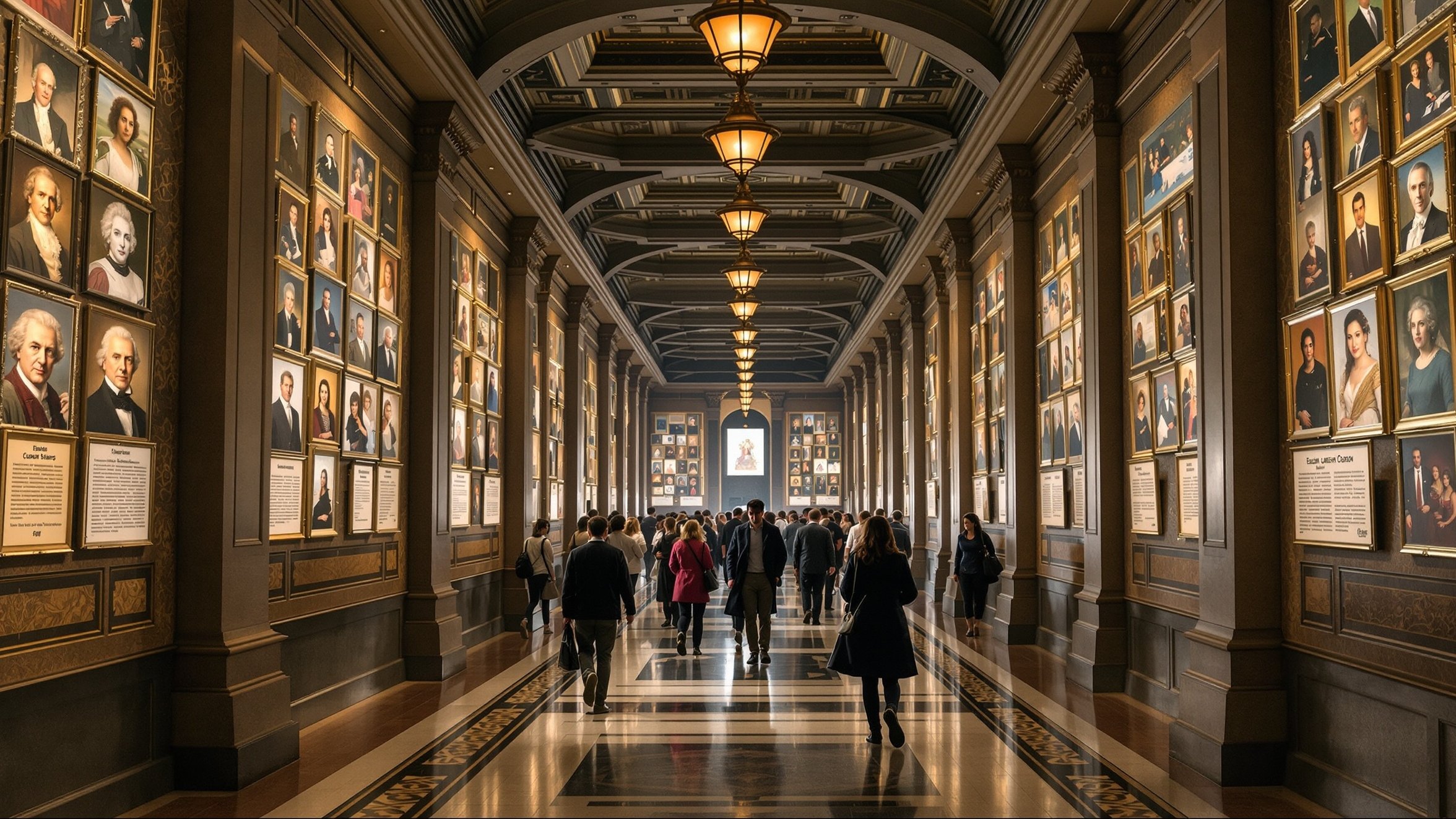
Welcome to Historical Education Milestones, a journey through the classrooms, philosophies, and groundbreaking ideas that shaped how the world learns. From ancient academies in Greece and the scrolls of Alexandria to the rise of public education and the digital revolution of modern classrooms, this space celebrates the pivotal moments that turned curiosity into curriculum. Here on Bo Street, we believe that understanding where learning began helps us see where it’s going. Each article in this section opens a window into the past—spotlighting reformers who reimagined knowledge, revolutions that redefined access, and inventions that forever changed the way we teach and study. Explore the eras when chalk met blackboard, when printing presses multiplied ideas, and when online education broke every boundary. Whether you’re a history lover, educator, or lifelong learner, you’ll find inspiration in the triumphs and transformations that brought education to life. Step inside and trace the remarkable story of how humanity learned to learn.
A: Medieval Europe (12–13th c.) formalized degrees, faculties, and charters.
A: Print culture plus public-school laws and cheaper paper in the 18–19th c.
A: It collapsed the cost of books, scaling curricula and scholarship.
A: Medieval liberal arts: grammar, logic, rhetoric; plus arithmetic, geometry, music, astronomy.
A: It ended legal school segregation in the U.S., catalyzing civil rights progress.
A: A European framework aligning degrees/credits to ease mobility and recognition.
A: They expand access; most systems blend them with degrees and credentials.
A: It benchmarks cross-country learning, informing reforms and investment.
A: From paper exams to adaptive, data-rich feedback and authentic tasks.
A: Personalized learning, AI copilots, competency badges, and lifelong reskilling.