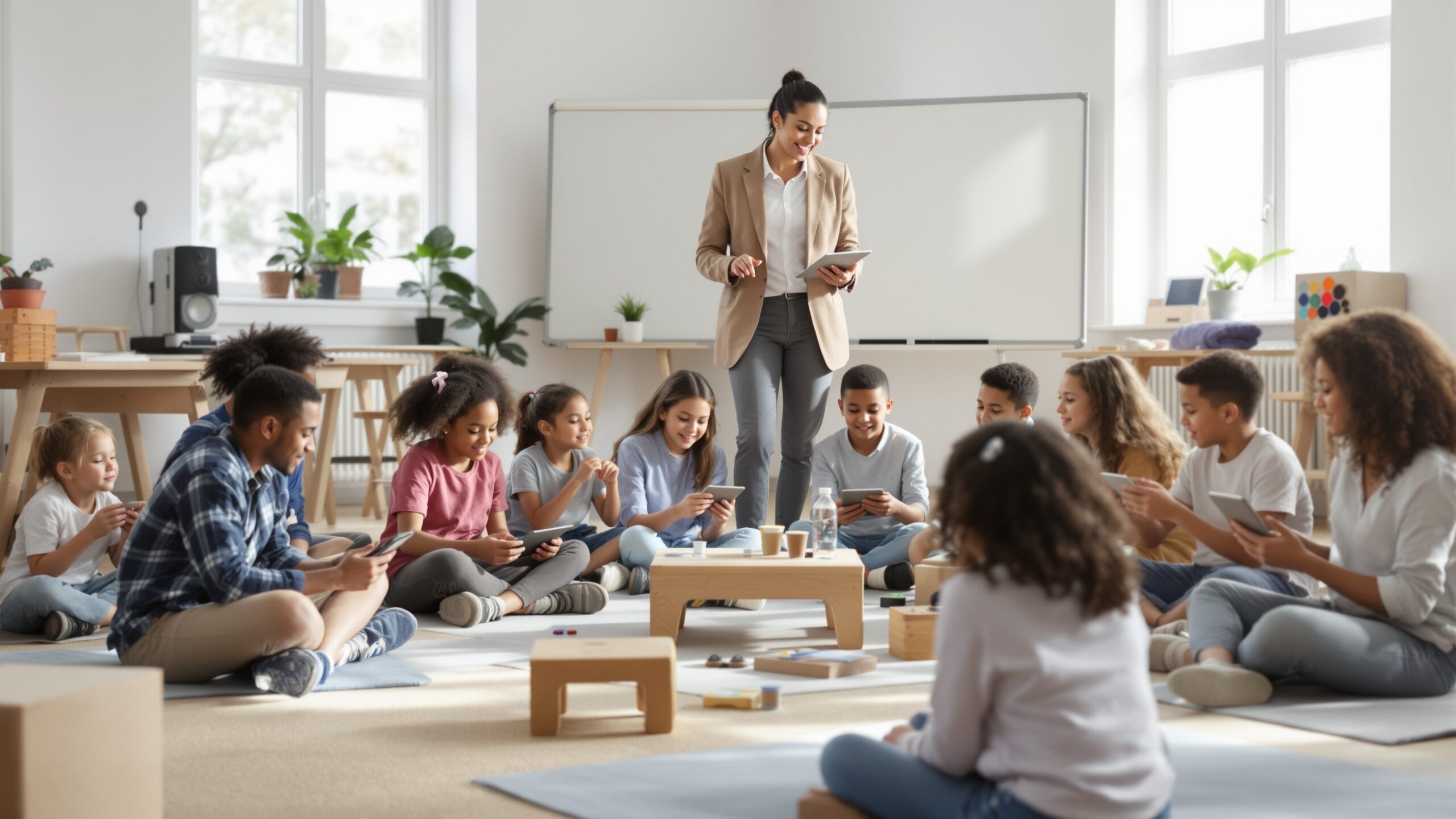
Education is no longer defined by rows of desks, uniform instruction, and a single standard of success. Today’s classrooms are vibrant ecosystems filled with diverse learners—students with different cultural backgrounds, abilities, learning styles, identities, and life experiences. In this evolving landscape, the concept of an inclusive classroom has emerged as one of the most important frameworks for effective teaching. An inclusive classroom is not simply a space where all students are physically present. It is a thoughtfully designed environment where every student feels valued, respected, supported, and empowered to succeed. It is a place where differences are not just acknowledged but embraced as strengths that enrich the learning experience for everyone. For modern educators, inclusion is both a responsibility and an opportunity. It challenges traditional teaching methods while opening the door to deeper engagement, stronger relationships, and more meaningful learning outcomes. This guide explores what an inclusive classroom truly means, why it matters, and how educators can build one intentionally and effectively.
A: It is a classroom where all students can access learning, participate meaningfully, and feel that they belong.
A: No. Inclusion also supports multilingual learners, different cultures, varied identities, and diverse learning styles.
A: No. It keeps goals high while offering multiple ways for students to reach them.
A: Start with clear routines, flexible participation options, visual supports, and diverse examples.
A: It helps learners feel respected and gives teachers insight into what support students actually need.
A: Families provide valuable insight, context, and partnership that can improve student success.
A: Use varied instructional methods, scaffold tasks, provide choice, and build flexible supports into everyday teaching.
A: Reflect, listen, adjust, and keep improving. Inclusion grows through humility and consistent effort.
A: Yes. Inclusive classrooms often improve engagement, challenge, collaboration, and belonging for everyone.
A: A classroom culture built on respect, access, empathy, and high expectations for every learner.
Defining an Inclusive Classroom
At its core, an inclusive classroom is a learning environment that accommodates and celebrates diversity in all its forms. This includes differences in ability, language, culture, socioeconomic status, gender identity, and learning preferences. Inclusion goes beyond integration; it ensures that every student has equitable access to learning and feels a genuine sense of belonging.
Unlike traditional models that expect students to adapt to a rigid system, inclusive classrooms adapt to the needs of students. Instruction, materials, assessments, and classroom culture are all designed with flexibility in mind. Teachers recognize that there is no “one-size-fits-all” approach and instead create multiple pathways for students to access content and demonstrate understanding.
Inclusion also emphasizes participation. Every student is encouraged to contribute, collaborate, and engage in meaningful ways. This participation is not limited to academic achievement but extends to social interaction, emotional development, and personal growth.
Why Inclusive Classrooms Matter
Inclusive classrooms are essential because they reflect the real world. Outside of school, individuals interact with people from a wide range of backgrounds and experiences. By fostering inclusion in education, schools prepare students to navigate and contribute to a diverse society.
From an academic perspective, inclusive practices have been shown to improve outcomes for all students. When lessons are designed to meet diverse needs, they often become more engaging and accessible. Students benefit from varied teaching methods, collaborative learning opportunities, and differentiated instruction.
Socially and emotionally, inclusive classrooms create a sense of belonging. Students who feel accepted and supported are more likely to participate, take risks, and persevere through challenges. This sense of belonging is particularly critical for students who may otherwise feel marginalized.
For educators, inclusion fosters a more dynamic and rewarding teaching experience. It encourages creativity, reflection, and continuous growth. Teachers become facilitators of learning rather than simply transmitters of information, guiding students through personalized and meaningful educational journeys.
Key Principles of Inclusive Education
An inclusive classroom is built on several foundational principles that guide both mindset and practice. The first is equity, which ensures that all students receive the support they need to succeed. Equity recognizes that fairness does not mean treating everyone the same; it means providing individualized resources and opportunities.
Another key principle is accessibility. Learning materials and environments must be designed so that all students can engage with them. This includes physical accessibility, such as classroom layout, as well as instructional accessibility, such as providing multiple formats for content.
Collaboration is also central to inclusion. Teachers work closely with students, families, and other professionals to create a supportive network. This collaborative approach ensures that diverse perspectives are considered and that students receive comprehensive support.
Finally, respect and belonging are at the heart of inclusive education. Every student should feel seen, heard, and valued. This sense of belonging is not accidental; it is cultivated through intentional practices, inclusive language, and a positive classroom culture.
Creating a Culture of Belonging
An inclusive classroom begins with culture. Before any instructional strategies are implemented, students must feel safe and respected. This sense of belonging is the foundation upon which all learning is built.
Teachers can foster belonging by establishing clear expectations for respect and kindness. Classroom norms should emphasize empathy, active listening, and appreciation for differences. These norms should be modeled consistently by the teacher and reinforced through daily interactions.
Language plays a powerful role in shaping classroom culture. Inclusive language avoids stereotypes, acknowledges diversity, and validates student experiences. Teachers should be mindful of how they address students, frame discussions, and respond to contributions.
Building relationships is equally important. Taking the time to learn about students’ interests, backgrounds, and goals helps create a more personalized and supportive environment. When students feel known and understood, they are more likely to engage and succeed.
Differentiated Instruction: Meeting Diverse Needs
One of the most effective ways to create an inclusive classroom is through differentiated instruction. This approach recognizes that students learn in different ways and at different paces. Rather than delivering a single lesson to all students, teachers provide multiple pathways for learning.
Differentiation can take many forms. Teachers may vary the content, process, or product of learning. For example, students might access information through videos, texts, or hands-on activities. They may demonstrate understanding through written assignments, presentations, or creative projects.
Flexible grouping is another important aspect of differentiation. Students can work individually, in pairs, or in groups based on their needs and strengths. These groupings should be dynamic, allowing students to collaborate with different peers over time.
Assessment also plays a role in differentiation. Ongoing formative assessments help teachers understand student progress and adjust instruction accordingly. This responsive approach ensures that all students receive the support they need to succeed.
Universal Design for Learning (UDL)
Universal Design for Learning is a framework that supports inclusion by designing instruction that works for all learners from the outset. Instead of making adjustments after challenges arise, UDL anticipates diversity and incorporates flexibility into every aspect of teaching.
UDL is based on three key principles: providing multiple means of engagement, representation, and action. Engagement focuses on motivating students and sustaining their interest. Representation involves presenting information in different ways to accommodate diverse learning styles. Action allows students to express their understanding through various methods.
By implementing UDL, teachers create lessons that are inherently inclusive. Students have more choices, greater autonomy, and increased opportunities to succeed. This proactive approach reduces barriers and fosters a more equitable learning environment.
Supporting Students with Diverse Abilities
Inclusive classrooms ensure that students with disabilities or learning differences are fully integrated into the learning experience. This requires thoughtful planning, collaboration, and the use of appropriate supports.
Teachers may work with special education professionals to develop individualized education plans or accommodations. These supports might include modified assignments, assistive technology, or additional time for tasks. The goal is to provide access without lowering expectations.
It is also important to promote independence and self-advocacy. Students should be encouraged to understand their strengths and needs and to communicate them effectively. This empowerment helps students take ownership of their learning and build confidence.
Inclusion benefits all students, not just those with disabilities. It fosters empathy, understanding, and collaboration, creating a more supportive and connected classroom community.
Embracing Cultural and Linguistic Diversity
An inclusive classroom recognizes and values cultural and linguistic diversity. Students bring unique perspectives shaped by their backgrounds, and these perspectives enrich the learning experience for everyone.
Teachers can incorporate culturally responsive teaching practices by connecting lessons to students’ experiences and incorporating diverse voices into the curriculum. This might include literature from different cultures, discussions of global perspectives, or projects that explore students’ identities.
Language support is also essential for students who are learning in a second language. Providing visual aids, simplified instructions, and opportunities for peer support can help these students access the curriculum more effectively.
Celebrating diversity is not limited to special events or holidays. It should be woven into everyday learning, creating an environment where all students feel represented and valued.
Inclusive Classroom Management
Effective classroom management is critical for inclusion. A well-managed classroom provides structure, consistency, and predictability, which are especially important for students with diverse needs.
Positive behavior strategies are more effective than punitive approaches. Teachers should focus on reinforcing desired behaviors, providing clear expectations, and addressing challenges with empathy and understanding.
Consistency is key. Students should know what to expect in terms of routines, rules, and consequences. This predictability creates a sense of security and helps students stay focused on learning. Inclusive management also involves giving students a voice. Allowing students to contribute to classroom rules or participate in decision-making fosters a sense of ownership and responsibility.
The Role of Technology in Inclusive Education
Technology has become a powerful tool for creating inclusive classrooms. Digital tools can provide personalized learning experiences, increase accessibility, and enhance engagement. Assistive technologies, such as text-to-speech software or speech recognition tools, can support students with diverse needs. Online platforms can offer interactive content, adaptive assessments, and opportunities for collaboration.
Technology also allows for greater flexibility in how students learn and demonstrate understanding. Students can access materials at their own pace, revisit content as needed, and choose from a variety of formats to express their ideas However, technology should be used thoughtfully. It is most effective when integrated into a broader instructional strategy and aligned with the goals of inclusion.
Building Strong Partnerships with Families
Inclusive education extends beyond the classroom. Families play a vital role in supporting student success, and strong partnerships between teachers and families are essential.
Open communication is the foundation of these partnerships. Teachers should keep families informed about student progress, classroom activities, and any challenges that arise. This communication should be accessible and respectful of cultural differences.
Involving families in the learning process can also enhance inclusion. This might include inviting them to share their experiences, participate in classroom events, or collaborate on student goals. When families and educators work together, they create a consistent and supportive environment that benefits students both inside and outside the classroom.
Overcoming Challenges in Inclusive Classrooms
While the benefits of inclusive classrooms are clear, implementing them can present challenges. Teachers may face time constraints, limited resources, or a lack of training. Addressing these challenges requires commitment, creativity, and support.
Professional development is essential. Ongoing training helps teachers develop the skills and knowledge needed to implement inclusive practices effectively. Collaboration with colleagues can also provide valuable insights and support.
Resource limitations can be addressed through innovative solutions. Teachers can adapt existing materials, leverage technology, and seek support from their school community.
Perhaps the most important factor is mindset. Inclusion requires a willingness to embrace change, reflect on practices, and prioritize student needs. With the right mindset, challenges become opportunities for growth.
The Future of Inclusive Education
As education continues to evolve, inclusion will remain a central focus. Advances in technology, research, and pedagogy are expanding the possibilities for inclusive teaching and learning. The future of inclusive education is one where every student has the opportunity to thrive, regardless of their background or abilities. It is a future where diversity is celebrated, equity is prioritized, and learning is personalized.
For educators, this means embracing innovation, staying informed, and continuously striving to create better learning environments. Inclusion is not a destination but an ongoing journey that requires dedication and reflection.
Creating Classrooms Where Everyone Thrives
An inclusive classroom is more than a concept; it is a commitment to equity, respect, and opportunity. It is a space where every student is valued, every voice is heard, and every learner has the chance to succeed.
By fostering a culture of belonging, implementing inclusive practices, and embracing diversity, educators can create classrooms that truly meet the needs of all students. These classrooms not only improve academic outcomes but also prepare students to navigate a diverse and interconnected world.
For modern educators, inclusion is both a challenge and a calling. It invites them to rethink traditional approaches, innovate with purpose, and lead with empathy. In doing so, they create not just better classrooms, but a better future for every student they teach.