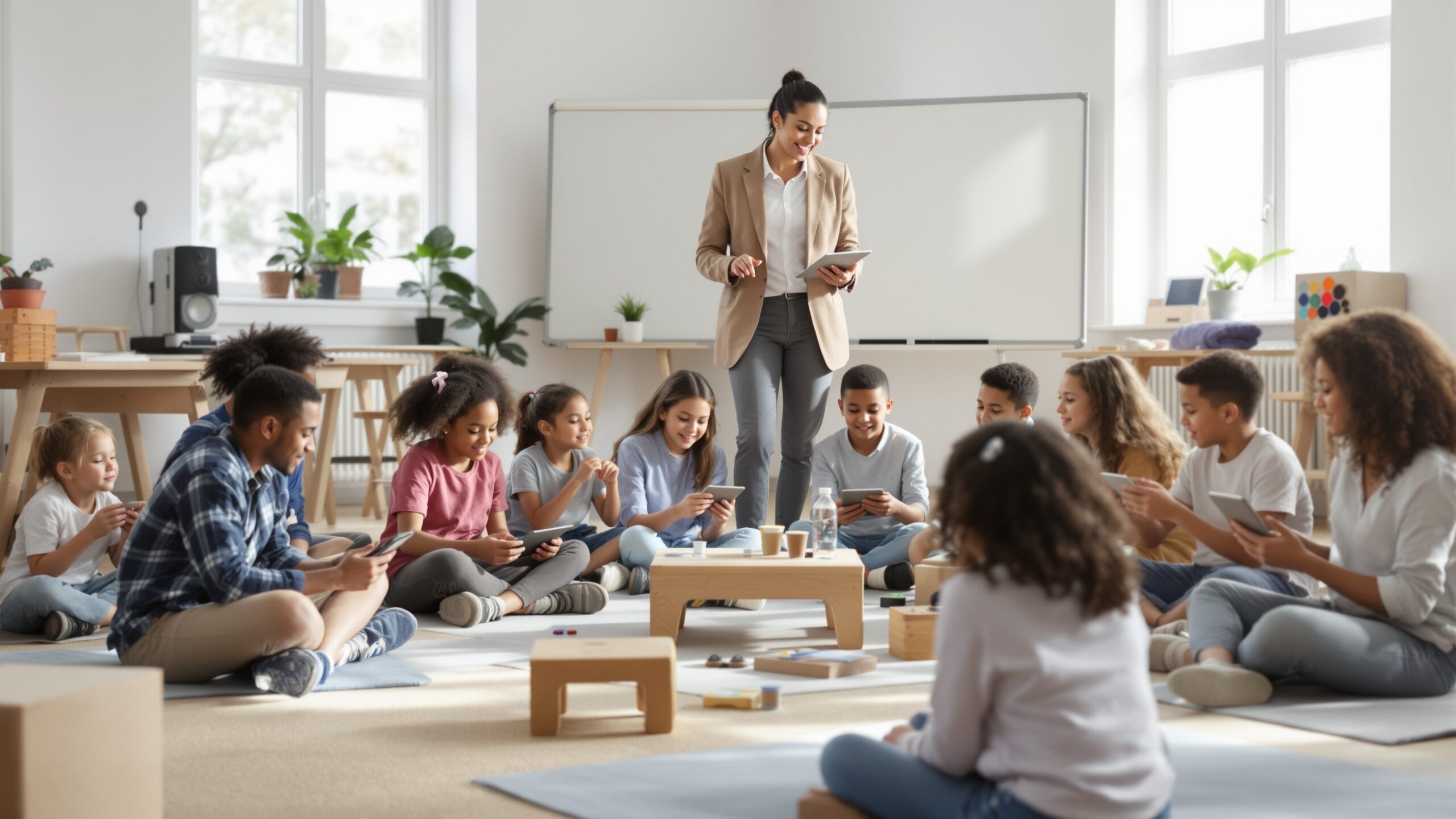
An inclusive classroom is more than a trend or a compliance requirement—it is a transformative approach to teaching that ensures every student feels seen, valued, and empowered to succeed. In today’s diverse learning environments, educators are challenged not only to deliver content but also to create spaces where differences are embraced and every learner has equitable access to opportunity. Inclusion is about belonging, and when students feel they belong, they engage more deeply, perform better academically, and develop stronger social-emotional skills. Creating an inclusive classroom environment requires intentionality, adaptability, and a commitment to continuous improvement. It means recognizing the diverse identities, abilities, cultures, and experiences students bring into the room and designing instruction that honors those differences. This guide explores 25 proven strategies that educators can implement to foster inclusivity, build trust, and create a classroom where every student thrives.
A: An inclusive classroom makes every student feel respected, supported, represented, and able to participate meaningfully.
A: No. They help more students access rigorous learning and demonstrate what they know.
A: Use think-pair-share, written responses, small groups, and participation choices beyond speaking aloud.
A: It helps students feel seen and expands everyone’s understanding of different experiences and perspectives.
A: Correct gently, model better language, and keep the focus on learning rather than shame.
A: Use flexible instruction, clear scaffolds, varied supports, and multiple ways to engage with content.
A: Start with respectful routines, better listening, accessible materials, and more thoughtful classroom language.
A: Yes. Strong family communication strengthens trust and helps teachers understand student needs more fully.
A: Assign roles, rotate responsibilities, monitor participation, and teach collaboration explicitly.
A: Begin by examining your routines, materials, and interactions through the lens of belonging and access.
Establishing a Culture of Respect and Belonging
One of the most powerful ways to create an inclusive classroom is by establishing a culture rooted in respect and belonging. This begins with setting clear expectations for how students interact with one another. Teachers who model empathy, active listening, and kindness create a tone that students naturally follow. When respect is not just encouraged but expected, it becomes part of the classroom identity.
Belonging goes beyond surface-level acceptance. It involves ensuring that every student feels psychologically safe and valued. This can be achieved by learning students’ names quickly, acknowledging their contributions, and celebrating their individuality. When students believe they matter, they are more likely to participate and take academic risks.
Getting to Know Your Students Deeply
Understanding students on a personal level is a cornerstone of inclusive teaching. Each student enters the classroom with unique strengths, challenges, cultural backgrounds, and learning preferences. Taking time to learn about their interests, experiences, and goals allows educators to tailor instruction in meaningful ways. Building relationships fosters trust, and trust enhances learning. Simple practices such as one-on-one check-ins, interest surveys, and informal conversations can provide valuable insights. When students feel known, they are more comfortable expressing themselves and engaging with the material.
Embracing Cultural Responsiveness
Cultural responsiveness is essential for creating an inclusive classroom. This involves recognizing and valuing the diverse cultural backgrounds of students and integrating those perspectives into the curriculum. When students see their identities reflected in what they are learning, it validates their experiences and increases engagement.
Incorporating diverse authors, historical figures, and viewpoints into lessons enriches the learning experience for all students. It also helps break down stereotypes and promotes empathy. A culturally responsive classroom acknowledges differences while finding common ground, creating a dynamic and inclusive learning environment.
Using Inclusive Language
Language has the power to include or exclude. Teachers who use inclusive language create a classroom where all students feel respected and acknowledged. This means avoiding assumptions about gender, culture, or family structures and using terminology that reflects diversity. Inclusive language also involves being mindful of how feedback is delivered. Encouraging language that focuses on effort and growth helps build confidence and resilience. When students feel supported rather than judged, they are more likely to persist through challenges.
Differentiating Instruction for Diverse Learners
No two students learn in exactly the same way, which is why differentiation is a key component of inclusive education. Differentiated instruction involves adapting teaching methods, materials, and assessments to meet the diverse needs of learners.
This might include offering multiple ways to access content, such as visual, auditory, and hands-on approaches. It also means providing varied opportunities for students to demonstrate understanding. By meeting students where they are, educators ensure that all learners have a fair chance to succeed.
Creating Flexible Learning Environments
Flexibility in the classroom allows students to engage in ways that work best for them. This can involve flexible seating arrangements, varied groupings, and opportunities for independent or collaborative work. A flexible environment acknowledges that students have different preferences and needs. Providing choices in how students learn and participate empowers them to take ownership of their education. It also reduces barriers that might prevent some students from fully engaging. When students have options, they are more likely to find strategies that help them succeed.
Encouraging Student Voice and Choice
An inclusive classroom values student voice. Giving students opportunities to share their opinions, ideas, and experiences fosters a sense of ownership and engagement. When students feel heard, they are more invested in their learning.
Choice is another powerful tool. Allowing students to select topics, projects, or methods of expression enables them to connect with the material in meaningful ways. This autonomy not only enhances motivation but also supports diverse learning styles and interests.
Building Strong Relationships
Relationships are at the heart of inclusion. Teachers who invest in building positive relationships with their students create a supportive and trusting environment. This involves showing genuine care, being approachable, and responding to students’ needs.
Strong relationships also extend to peer interactions. Encouraging collaboration and teamwork helps students build connections with one another. When students feel connected, they are more likely to support each other and contribute to a positive classroom culture.
Promoting Collaborative Learning
Collaboration fosters inclusion by bringing students together to share ideas and perspectives. Group work encourages communication, problem-solving, and mutual respect. It also allows students to learn from one another’s strengths. Effective collaboration requires thoughtful planning. Assigning roles, setting clear expectations, and providing guidance ensures that all students can participate meaningfully. When done well, collaborative learning creates a sense of community and shared purpose.
Addressing Bias and Stereotypes
An inclusive classroom actively challenges bias and stereotypes. This involves creating opportunities for students to examine their assumptions and engage in meaningful discussions about diversity and equity. Teachers play a crucial role in guiding these conversations with sensitivity and respect.
Addressing bias is not about assigning blame but about fostering understanding. By encouraging critical thinking and empathy, educators help students develop a more inclusive mindset. This prepares them to navigate a diverse world with awareness and respect.
Supporting Social-Emotional Learning
Social-emotional learning is a vital component of inclusion. It helps students develop skills such as self-awareness, empathy, and emotional regulation. These skills are essential for building positive relationships and creating a supportive classroom environment. Incorporating activities that promote reflection, mindfulness, and communication can enhance social-emotional development. When students are emotionally supported, they are better equipped to engage academically and socially.
Providing Clear and Consistent Expectations
Clarity and consistency are essential for creating a sense of stability and fairness. Clearly defined expectations help students understand what is required of them and reduce confusion. Consistent routines provide a predictable structure that supports all learners.
This is particularly important for students who may struggle with transitions or uncertainty. When expectations are communicated clearly and reinforced consistently, students feel more confident and secure in their learning environment.
Using Universal Design for Learning
Universal Design for Learning (UDL) is an approach that aims to make learning accessible to all students from the outset. It involves providing multiple means of representation, engagement, and expression. By designing lessons with flexibility in mind, educators can accommodate a wide range of learners.
UDL reduces the need for retroactive accommodations and creates a more inclusive environment. It ensures that all students have access to the curriculum in ways that work for them, promoting equity and engagement.
Encouraging Growth Mindset
A growth mindset emphasizes the belief that abilities can be developed through effort and persistence. Encouraging this mindset helps students view challenges as opportunities for growth rather than obstacles. Teachers can foster a growth mindset by praising effort, providing constructive feedback, and modeling resilience. When students believe in their ability to improve, they are more likely to take risks and persevere.
Incorporating Diverse Materials and Resources
The materials used in the classroom should reflect the diversity of the student population. This includes books, media, and examples that represent different cultures, perspectives, and experiences. Diverse materials enrich learning and promote inclusivity.
When students see themselves represented in the curriculum, it affirms their identity and fosters a sense of belonging. It also exposes all students to a broader range of perspectives, enhancing their understanding of the world.
Creating Safe Spaces for Dialogue
Open and respectful dialogue is essential for inclusion. Creating safe spaces where students can express their thoughts and feelings encourages honest communication and mutual understanding. This requires establishing guidelines for respectful discussion and actively facilitating conversations. Safe spaces allow students to explore complex topics and learn from one another. They also help build trust and strengthen relationships within the classroom community.
Adapting Assessment Methods
Traditional assessments may not capture the full range of student abilities. Inclusive classrooms use varied assessment methods to provide a more comprehensive view of learning. This might include projects, presentations, portfolios, and reflective writing.
Flexible assessment allows students to demonstrate their understanding in ways that align with their strengths. It also reduces anxiety and provides more opportunities for success.
Supporting Students with Special Needs
Inclusion means ensuring that students with special needs have access to the same opportunities as their peers. This involves providing appropriate accommodations and support while maintaining high expectations.
Collaboration with special education professionals, families, and support staff is essential. When students receive the support they need, they can participate fully and achieve their potential.
Encouraging Peer Support
Peer support fosters a sense of community and shared responsibility. Encouraging students to help one another builds empathy and collaboration. It also provides additional support for those who may need it. Structured peer activities, such as tutoring or cooperative learning, can enhance understanding and strengthen relationships. When students support each other, the classroom becomes a more inclusive and connected space.
Reflecting on Teaching Practices
Inclusion requires ongoing reflection and growth. Teachers who regularly evaluate their practices are better equipped to identify areas for improvement and adapt their approach. This might involve seeking feedback, attending professional development, or collaborating with colleagues.
Reflection ensures that teaching practices remain responsive to the needs of students. It also demonstrates a commitment to continuous improvement and inclusivity.
Engaging Families and Communities
Families and communities play a vital role in supporting student success. Engaging with families helps build strong partnerships and provides valuable insights into students’ backgrounds and needs.
Inclusive classrooms welcome family involvement and create opportunities for collaboration. This strengthens the connection between school and home and enhances the overall learning experience.
Leveraging Technology for Inclusion
Technology can be a powerful tool for inclusion when used thoughtfully. It provides access to a wide range of resources and supports diverse learning needs. Assistive technologies, for example, can help students overcome barriers and participate more fully. Digital tools also enable personalized learning and collaboration. When integrated effectively, technology enhances accessibility and engagement.
Celebrating Diversity
Celebrating diversity involves recognizing and honoring the unique qualities of each student. This can be done through cultural events, classroom discussions, and inclusive activities. Celebrations should be meaningful and respectful, avoiding stereotypes or tokenism.
Acknowledging diversity fosters pride and appreciation for differences. It also creates a positive and inclusive classroom culture where all students feel valued.
Encouraging Critical Thinking
Critical thinking is essential for understanding and addressing issues related to diversity and inclusion. Encouraging students to question assumptions, analyze perspectives, and engage in thoughtful discussion promotes deeper learning.
By developing critical thinking skills, students become more aware of the complexities of the world around them. This prepares them to contribute to a more inclusive and equitable society.
Modeling Inclusive Behavior
Teachers serve as role models for their students. Modeling inclusive behavior demonstrates what respect, empathy, and fairness look like in practice. This includes how teachers interact with students, address conflicts, and respond to diversity. When students see inclusive behavior consistently modeled, they are more likely to adopt those behaviors themselves. This reinforces a culture of inclusion within the classroom.
Conclusion: Building Classrooms Where Everyone Thrives
Creating an inclusive classroom environment is an ongoing journey that requires dedication, reflection, and a willingness to adapt. By implementing these 25 proven strategies, educators can build spaces where every student feels valued, supported, and empowered to succeed.
Inclusion is not just about meeting the needs of diverse learners—it is about creating a richer, more dynamic learning experience for everyone. When classrooms are inclusive, they become places where differences are celebrated, connections are strengthened, and every student has the opportunity to thrive.