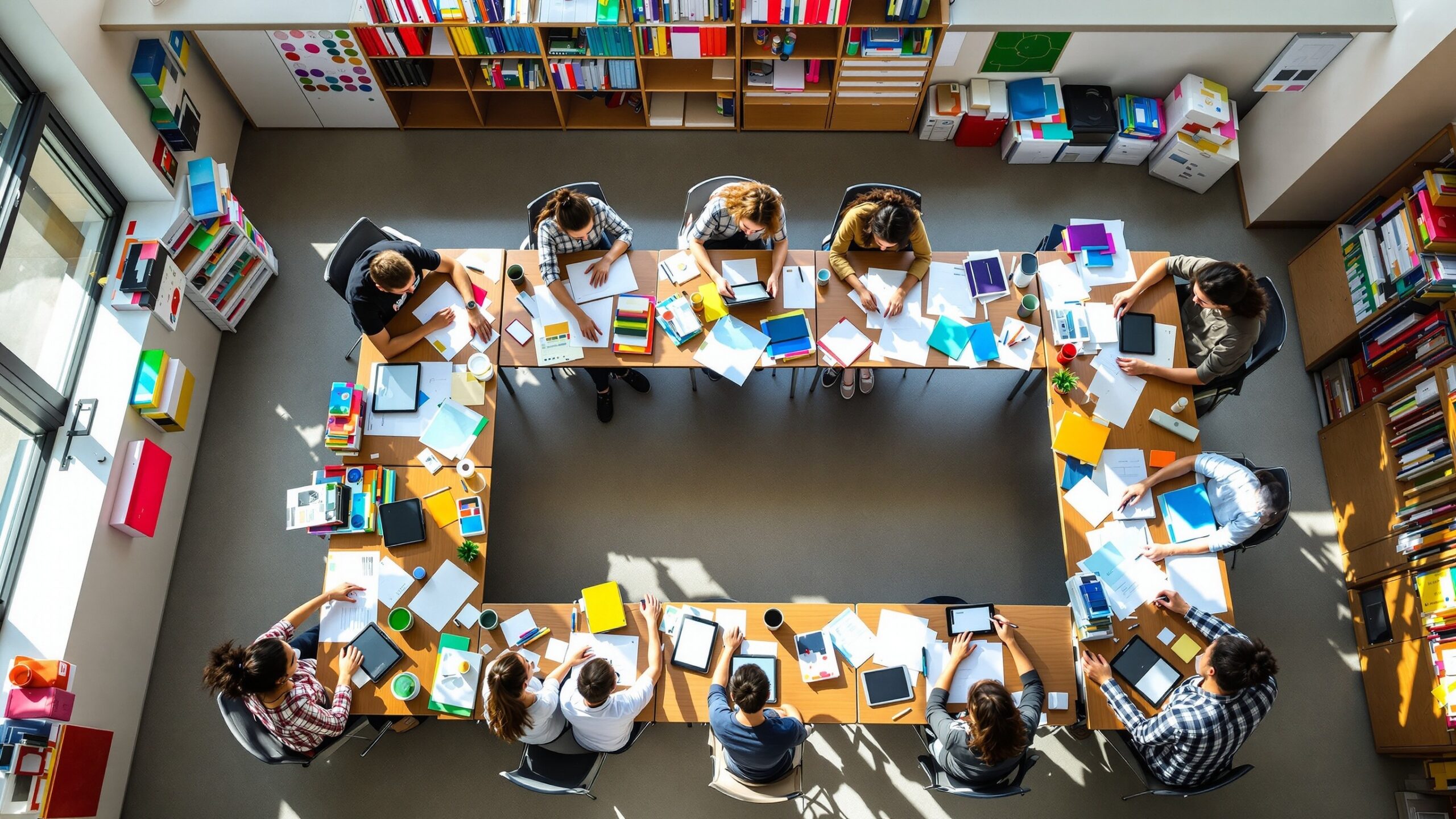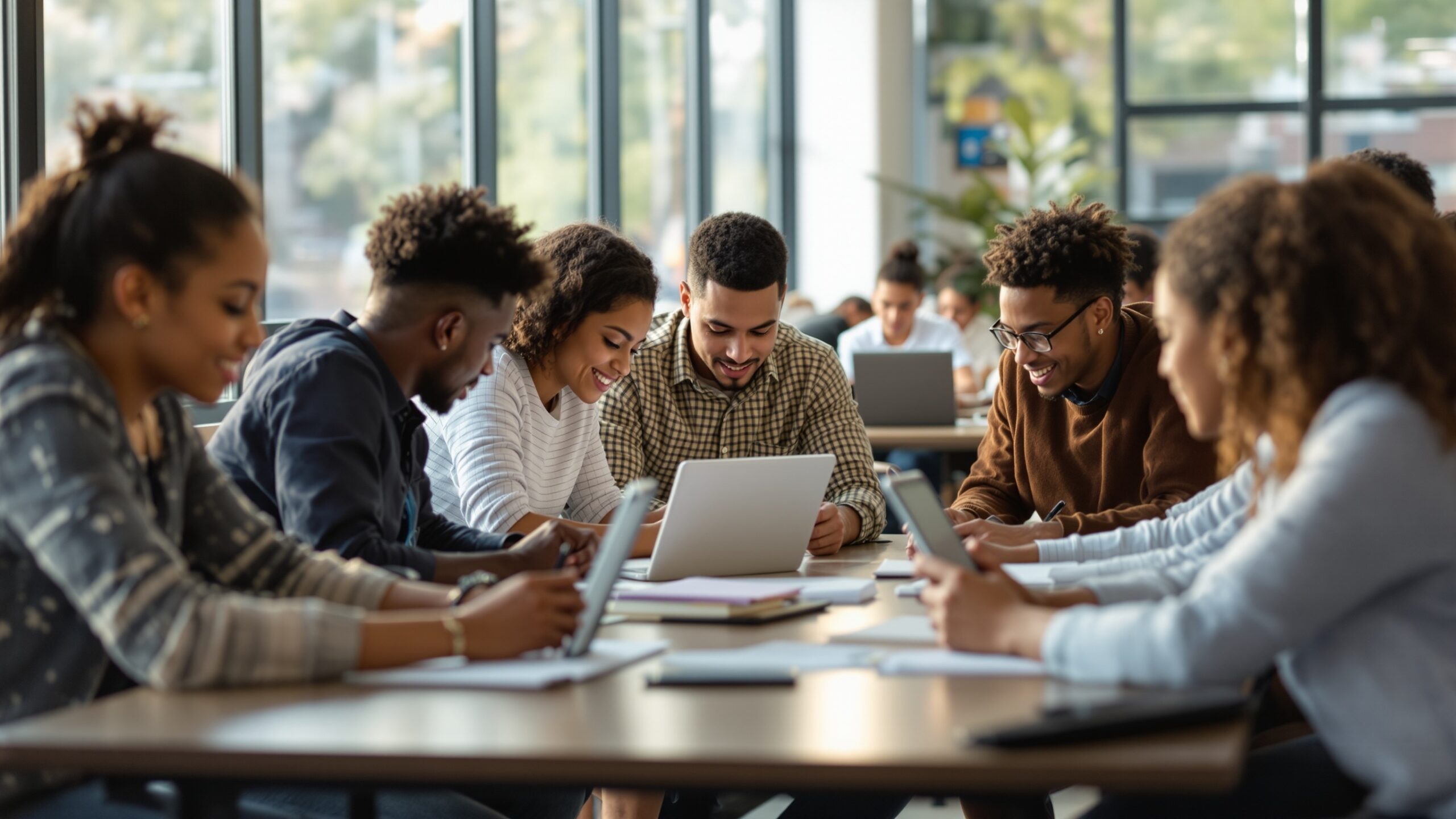
Education is no longer confined to rows of silent desks and one-directional lectures. Today’s classrooms are evolving into dynamic environments where interaction, communication, and shared problem-solving are at the center of learning. At the heart of this transformation lies collaborative learning—a powerful teaching approach that shifts the focus from individual achievement to collective understanding. Collaborative learning is more than just students working in groups. It is a structured, intentional strategy designed to promote deeper engagement, critical thinking, and meaningful interaction. When implemented effectively, it not only improves academic outcomes but also prepares students with essential life skills such as teamwork, communication, and adaptability. For teachers, understanding collaborative learning is key to creating a classroom culture that fosters curiosity, connection, and confidence. This guide explores what collaborative learning is, why it matters, and how educators can successfully bring it to life.
A: It is when students learn together by discussing, solving problems, and creating shared understanding rather than working entirely alone.
A: True collaborative learning includes clear goals, meaningful interaction, shared responsibility, and a structure that requires teamwork.
A: Yes, but the structure should match student age, maturity, and academic needs.
A: It can increase engagement, improve discussion quality, reveal misconceptions, and build classroom community.
A: Use defined roles, checkpoints, and individual accountability so each student has a clear responsibility.
A: Yes, especially when they begin with partners or small groups before speaking to the whole class.
A: They are closely related, but cooperative learning is often more structured, while collaborative learning can be broader and more flexible.
A: Discussions, peer review, debates, projects, labs, inquiry tasks, and group problem-solving often work very well.
A: Combine group outcomes with individual reflections, participation evidence, and process-based criteria.
A: Start small with a routine like think-pair-share, teach expectations clearly, and build from there.
Defining Collaborative Learning
Collaborative learning is an instructional approach where students work together in small groups to achieve shared learning goals. Rather than passively receiving information, students actively participate in discussions, problem-solving, and knowledge construction.
The defining feature of collaborative learning is interdependence. Each student contributes to the group’s success, and learning becomes a shared responsibility. This differs from traditional group work, where tasks are often divided and completed independently before being combined. In true collaborative learning, students engage in ongoing dialogue, challenge each other’s ideas, and co-create understanding.
This method is grounded in the belief that learning is inherently social. When students interact, they expose themselves to diverse perspectives, which enhances comprehension and encourages deeper thinking.
The Theoretical Foundations of Collaborative Learning
Collaborative learning is supported by several influential educational theories. One of the most significant is social constructivism, which suggests that knowledge is constructed through social interaction. According to this perspective, learners build understanding by engaging with others, asking questions, and negotiating meaning. Another foundational concept is the zone of proximal development, which highlights the gap between what a learner can do independently and what they can achieve with guidance. Collaborative learning leverages this idea by allowing students to support one another, effectively becoming both learners and teachers.
Cognitive development theories also emphasize the role of dialogue and interaction in strengthening reasoning skills. When students explain concepts to peers, they reinforce their own understanding while helping others grasp new ideas. These theoretical underpinnings demonstrate that collaborative learning is not just a trend but a research-backed approach with deep roots in educational psychology.
Why Collaborative Learning Matters in Today’s Classrooms
In an increasingly interconnected world, collaboration is no longer optional—it is essential. Employers consistently rank teamwork, communication, and problem-solving among the most valuable skills. Collaborative learning helps students develop these competencies in an authentic and meaningful way.
Academically, collaborative learning has been shown to improve retention and understanding. Students who engage in discussions and group activities are more likely to internalize concepts compared to those who learn passively. The act of explaining ideas to others reinforces memory and clarifies thinking.
Socially, collaborative learning fosters empathy and respect. Students learn to listen, consider different viewpoints, and work through disagreements constructively. These experiences contribute to a positive classroom environment where all voices are valued.
Emotionally, it builds confidence. Students who may hesitate to participate in whole-class discussions often feel more comfortable sharing ideas in smaller groups. This increased participation leads to greater engagement and a stronger sense of belonging.
Key Elements of Effective Collaborative Learning
Successful collaborative learning does not happen by chance. It requires careful planning and intentional design. One of the most important elements is positive interdependence, where students understand that their success is linked to the group’s success. This encourages accountability and cooperation.
Individual accountability is equally critical. While students work together, each member must contribute meaningfully. This ensures that all learners remain engaged and responsible for their own learning. Face-to-face interaction plays a central role in fostering communication and connection. Whether in physical or virtual settings, opportunities for discussion and exchange are essential.
Another key element is the development of interpersonal skills. Students need guidance on how to communicate effectively, resolve conflicts, and collaborate respectfully. Teachers must model and reinforce these skills to create a productive learning environment.
Finally, reflection is vital. After completing a collaborative activity, students should evaluate both the outcome and the process. This helps them identify strengths, address challenges, and improve future collaboration.
Types of Collaborative Learning Strategies
There are many ways to implement collaborative learning in the classroom, each offering unique benefits. One common approach is think-pair-share, where students first reflect individually, then discuss their ideas with a partner, and finally share with the larger group. This strategy encourages participation and allows students to refine their thinking.
Another effective method is the jigsaw technique, where each student becomes an expert on a specific topic and then teaches it to their group. This approach promotes accountability and ensures that all students contribute to the learning process.
Project-based learning is also a powerful form of collaboration. Students work together over an extended period to investigate a question or solve a problem. This type of learning emphasizes real-world application and encourages creativity.
Peer teaching and group discussions further enhance understanding by allowing students to articulate ideas and learn from one another. These strategies create a rich learning environment where knowledge is actively constructed.
The Role of the Teacher in Collaborative Learning
In a collaborative classroom, the teacher’s role shifts from lecturer to facilitator. Rather than delivering information, teachers guide students through the learning process, providing support and structure as needed.
One of the teacher’s primary responsibilities is designing meaningful tasks that require collaboration. Activities should be challenging, engaging, and aligned with learning objectives. Clear instructions and expectations are essential to ensure that students understand their roles and responsibilities.
Teachers also monitor group dynamics, stepping in when necessary to address conflicts or redirect discussions. This requires a balance between allowing students to work independently and providing guidance to keep them on track.
Assessment is another important aspect. Teachers must evaluate both the group’s work and individual contributions. This can be achieved through a combination of observations, peer evaluations, and reflective activities.
Ultimately, the teacher creates the conditions for collaboration to thrive, fostering an environment where students feel supported and motivated.
Benefits of Collaborative Learning
The benefits of collaborative learning extend far beyond academic achievement. One of the most significant advantages is the development of critical thinking skills. When students engage in discussions and problem-solving, they learn to analyze information, evaluate ideas, and make informed decisions.
Communication skills are also enhanced. Students practice articulating their thoughts, listening actively, and responding thoughtfully. These skills are essential for success in both academic and professional settings.
Collaborative learning also promotes creativity. When students work together, they combine diverse perspectives and ideas, leading to innovative solutions and deeper understanding.
Another important benefit is increased engagement. Collaborative activities are often more interactive and dynamic than traditional instruction, capturing students’ interest and encouraging active participation.
Finally, it builds a sense of community. Students develop relationships with their peers, creating a supportive and inclusive classroom environment.
Challenges and How to Overcome Them
While collaborative learning offers many benefits, it also presents challenges. One common issue is unequal participation, where some students contribute more than others. This can be addressed by assigning clear roles and responsibilities, ensuring that each student has a defined contribution.
Another challenge is conflict within groups. Differences in opinions or working styles can lead to disagreements. Teachers should provide guidance on conflict resolution and encourage respectful communication.
Time management can also be a concern. Collaborative activities may take longer than traditional instruction, requiring careful planning to ensure that learning objectives are met.
Assessment can be complex, as it involves evaluating both group and individual performance. Using a variety of assessment methods can help provide a more comprehensive understanding of student learning.
By anticipating these challenges and implementing strategies to address them, teachers can create a more effective collaborative learning environment.
Technology and Collaborative Learning
Technology has transformed the way collaborative learning is implemented. Digital tools provide new opportunities for communication, interaction, and creativity. Online platforms allow students to collaborate in real time, regardless of location. Shared documents, discussion boards, and video conferencing tools enable seamless communication and teamwork.
Educational apps and learning management systems provide additional support, allowing teachers to organize activities, track progress, and provide feedback. Technology also enhances accessibility, ensuring that all students can participate fully. Tools such as speech-to-text and translation features help accommodate diverse learning needs.
When used effectively, technology can amplify the benefits of collaborative learning, making it more flexible and inclusive.
Creating a Collaborative Classroom Culture
Building a collaborative classroom requires more than implementing strategies—it involves creating a culture that values teamwork and shared learning. This begins with establishing clear expectations for behavior and communication. Students should understand the importance of respect, active listening, and constructive feedback.
Trust is a key component. Students need to feel safe sharing their ideas and taking risks. Teachers can foster this by modeling positive interactions and celebrating diverse perspectives.
Consistency is also important. Collaborative learning should be integrated into daily instruction rather than used occasionally. This helps students develop the skills and habits needed for effective collaboration. By creating a supportive and inclusive environment, teachers can ensure that collaborative learning becomes a natural and integral part of the classroom experience.
Collaborative Learning Across Different Grade Levels
Collaborative learning can be adapted to suit students of all ages. In early childhood education, simple group activities help young learners develop social and communication skills. In elementary school, structured tasks such as group projects and peer discussions introduce students to more complex forms of collaboration.
Middle and high school students can engage in advanced collaborative activities, including research projects, debates, and problem-solving tasks. These experiences prepare them for higher education and the workforce.
At every level, the key is to tailor activities to students’ developmental needs and abilities, ensuring that collaboration remains meaningful and effective.
Assessing Collaborative Learning
Assessment in collaborative learning requires a balanced approach. Teachers must evaluate both the group’s output and individual contributions. Rubrics can provide clear criteria for assessing performance, including aspects such as participation, communication, and problem-solving.
Peer and self-assessments offer valuable insights, allowing students to reflect on their own contributions and those of their peers.
Observations and informal assessments also play a role, helping teachers understand group dynamics and identify areas for improvement. By using a variety of assessment methods, teachers can gain a comprehensive understanding of student learning and ensure that all contributions are recognized.
The Future of Collaborative Learning
As education continues to evolve, collaborative learning is expected to play an increasingly important role. Advances in technology, changes in workforce demands, and a growing emphasis on social-emotional learning all point toward a more collaborative approach to education.
Virtual and hybrid learning environments are expanding the possibilities for collaboration, allowing students to connect and work together in new ways.
Interdisciplinary learning is also gaining traction, encouraging students to collaborate across subjects and explore complex, real-world problems. The future of education is not about individual achievement alone—it is about collective growth and shared success. Collaborative learning is at the forefront of this transformation.
Empowering Students Through Collaboration
Collaborative learning is more than a teaching strategy—it is a philosophy that transforms the way students learn and interact. By emphasizing teamwork, communication, and shared responsibility, it creates a dynamic and engaging learning environment.
For teachers, embracing collaborative learning means rethinking traditional approaches and adopting new methods that prioritize interaction and connection. While it requires careful planning and ongoing support, the rewards are significant.
Students not only achieve better academic outcomes but also develop the skills and confidence needed to succeed in a complex and interconnected world. In a classroom built on collaboration, learning becomes a shared journey—one where every voice matters and every contribution counts.