Education has entered a remarkable new era. Traditional classrooms are no longer limited to four walls, rows of desks, and a whiteboard at the front of the room. Technology, changing student expectations, and global shifts in how people learn have transformed education into something more flexible, connected, and dynamic. At the center of this transformation is the hybrid classroom. A hybrid classroom combines in-person learning with online instruction, allowing students to participate both physically and digitally. Some students may sit inside the classroom while others join remotely from home. Lessons may happen live, asynchronously, or through a combination of both. This flexible model gives educators new opportunities to personalize instruction, increase accessibility, and create engaging learning experiences for modern students. The hybrid classroom became widely recognized during periods of remote learning across the globe, but it has evolved far beyond an emergency solution. Today, schools, colleges, training centers, and corporate education programs increasingly view hybrid learning as a long-term strategy for modern education. Educators are discovering that hybrid learning can encourage collaboration, expand access, improve digital literacy, and support students with diverse needs. At the same time, it introduces new challenges involving classroom management, technology integration, student engagement, and instructional design. Understanding how hybrid classrooms work is essential for teachers, administrators, and educational leaders who want to create meaningful learning experiences in a rapidly changing world.
A: It is a learning environment where some instruction happens in person and some students or activities connect online.
A: They overlap, but hybrid often focuses on location flexibility while blended emphasizes mixing online and face-to-face methods.
A: Common essentials include a reliable device, strong internet, camera, microphone, display, and learning platform.
A: Use direct questions, polls, chat prompts, breakout rooms, shared documents, and frequent check-ins.
A: Balancing attention between in-person and remote learners without making either group feel secondary.
A: They can be powerful, but students need structure, access, support, and clear expectations to succeed.
A: Assignments should be accessible online, clearly explained, and designed so both groups can complete them fairly.
A: Recording can help review and absent students, but schools should follow privacy and consent policies.
A: Use quizzes, projects, discussions, reflections, exit tickets, and performance tasks across both formats.
A: Clear communication, inclusive design, reliable technology, active participation, and consistent teacher presence.
What Exactly Is a Hybrid Classroom?
A hybrid classroom is a learning environment where students participate through both face-to-face and online methods. Unlike a fully online class, hybrid learning still includes physical classroom instruction. Unlike a purely traditional classroom, hybrid learning also incorporates digital participation and remote access.
In many hybrid classrooms, some students attend class in person while others participate virtually through video conferencing platforms. In other cases, students alternate between physical attendance and remote learning on different days. Some hybrid programs also blend live instruction with self-paced digital coursework.
The defining feature of a hybrid classroom is flexibility. Students can engage with course content through multiple formats while educators use technology to connect all learners into one unified educational experience.
Hybrid classrooms often include elements such as live-streamed lectures, recorded lessons, cloud-based assignments, collaborative digital tools, online assessments, and virtual discussions. Teachers may use learning management systems to organize content and communication while integrating interactive activities that keep both remote and in-person learners involved.
This educational model bridges the gap between traditional instruction and digital learning, creating a more adaptable and accessible system for modern education.
How Hybrid Classrooms Work
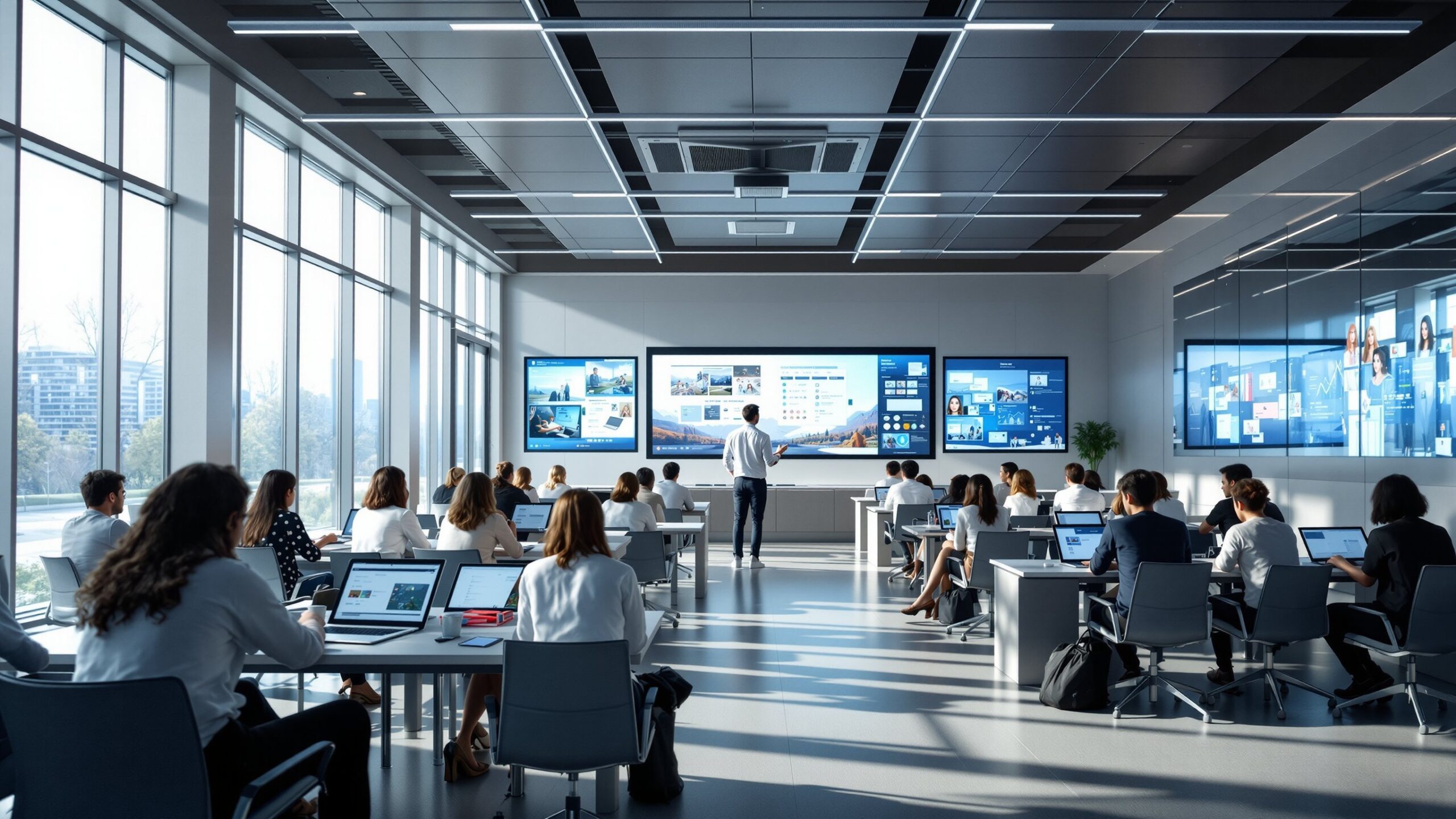
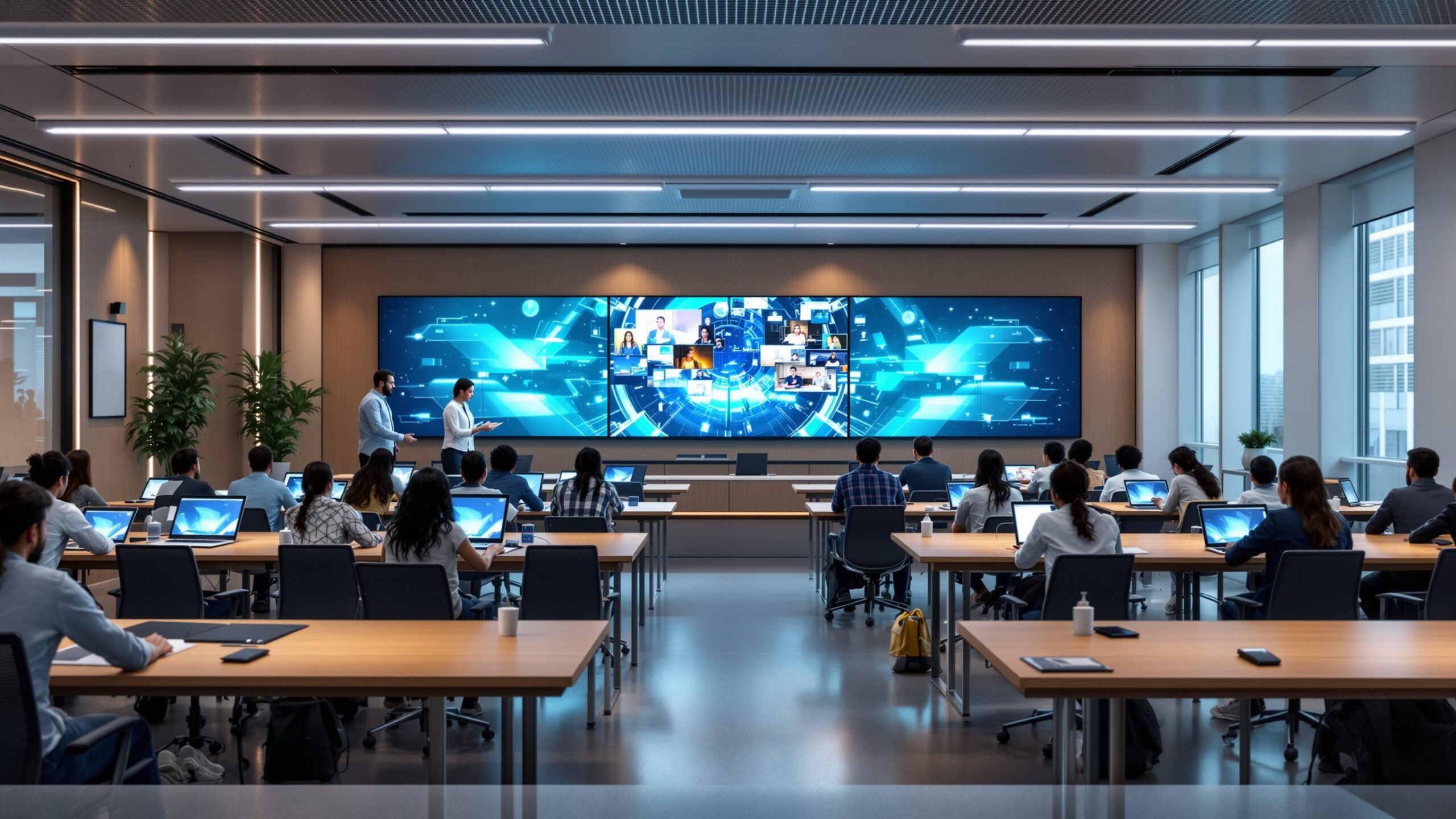
Hybrid classrooms can look different depending on the school, subject, grade level, or teaching philosophy. However, most hybrid models share several common components. Teachers typically use classroom technology that supports both in-person and online participation simultaneously. Cameras, microphones, smart boards, projectors, and video conferencing software help connect all students regardless of location.
During a lesson, students inside the classroom may interact directly with the teacher while remote students join through a live virtual platform. The teacher manages both audiences at the same time, encouraging participation from everyone through discussions, polls, shared documents, breakout rooms, and collaborative projects.
Assignments are often submitted digitally through online learning systems. Students may watch recorded lessons, complete quizzes online, participate in discussion boards, or access supplemental materials from home.
Some schools use rotational hybrid models where students alternate attendance schedules. Others use flexible hybrid systems where students choose whether to attend physically or remotely. Universities frequently blend in-person seminars with asynchronous online coursework. The goal is to ensure that all students receive equal learning opportunities regardless of how they access the classroom.
The Difference Between Hybrid, Blended, and Online Learning
Many people confuse hybrid learning with blended learning or fully online education. While these approaches share similarities, they are not identical. Fully online learning happens entirely through digital platforms without physical classroom attendance. Students complete coursework remotely and interact through virtual systems.
Blended learning combines traditional classroom instruction with digital tools, but students are usually physically present for most learning activities. Technology supplements the classroom rather than dividing participation between remote and in-person students.
Hybrid learning specifically involves simultaneous or alternating participation between physical and remote learners. It is designed to support students who engage through multiple attendance methods. Understanding these distinctions helps educators choose the right instructional model for their students and institutional goals.
Why Hybrid Classrooms Are Becoming More Popular
Hybrid learning continues to gain momentum because it aligns with the realities of modern life. Students today expect flexibility, digital accessibility, and personalized learning experiences. Educational institutions also recognize the practical advantages of hybrid systems. Schools can reach broader student populations, reduce disruptions during emergencies, and offer more adaptable scheduling options.
Hybrid classrooms also prepare students for future workplaces where remote collaboration, digital communication, and online project management are increasingly common. Students develop valuable technical skills while learning how to navigate flexible work environments.
Parents and adult learners often appreciate hybrid options because they provide greater convenience. Students balancing jobs, health concerns, transportation issues, or family responsibilities may find hybrid learning more accessible than traditional classroom-only instruction.
Technology advancements have also made hybrid education easier to implement. Modern learning platforms, cloud collaboration tools, and video conferencing systems allow educators to create highly interactive digital experiences that were difficult to achieve in earlier years.
As education evolves, hybrid learning is becoming less of a temporary innovation and more of a foundational educational strategy.
Benefits of Hybrid Classrooms for Students
One of the greatest strengths of hybrid learning is flexibility. Students can access learning materials from different locations and often at different times. This adaptability can improve participation and reduce barriers to education.
Hybrid classrooms also support diverse learning styles. Some students thrive during face-to-face discussions, while others perform better in digital environments where they can review materials at their own pace. Recorded lessons allow learners to revisit complex topics whenever needed.
Another major benefit is increased accessibility. Students who are ill, traveling, or facing transportation challenges can still participate in lessons remotely. Hybrid learning can also support students with disabilities by offering alternative ways to engage with content.
Digital collaboration tools encourage communication and teamwork. Students often become more comfortable using online platforms, shared documents, virtual presentations, and collaborative technologies that mirror modern professional environments.
Hybrid learning can also encourage greater independence and self-management. Students learn how to organize schedules, manage deadlines, and take responsibility for their learning progress.
When implemented effectively, hybrid classrooms create a more inclusive and adaptable educational experience that supports student success across different situations and learning preferences.
Benefits of Hybrid Classrooms for Educators
Hybrid learning offers educators opportunities to rethink instruction in creative and powerful ways.
Teachers can use multimedia resources to enhance lessons, including videos, interactive simulations, digital whiteboards, virtual guest speakers, and collaborative online projects. These tools often increase engagement and make learning more dynamic.
Hybrid classrooms also allow teachers to collect valuable learning data through digital assessments and analytics. Educators can track participation, assignment completion, quiz performance, and engagement patterns more efficiently.
Recorded lessons provide additional instructional flexibility. Teachers can create reusable content libraries that students access anytime, reducing repetitive explanations and supporting differentiated instruction.
Communication often improves in hybrid environments because digital platforms centralize announcements, assignments, discussions, and feedback. Parents and students can stay connected more easily through online systems.
Many educators also find that hybrid teaching encourages professional growth. Teachers develop stronger digital literacy skills and explore innovative instructional methods that can improve classroom experiences overall.
Although hybrid teaching requires adaptation, it also opens doors to more creative, efficient, and personalized approaches to education.
Common Challenges of Hybrid Classrooms
Despite its advantages, hybrid learning also presents significant challenges.
One of the biggest difficulties is maintaining equal engagement between remote and in-person students. Teachers may unintentionally focus more attention on students physically present in the classroom while remote learners feel disconnected.
Technology issues can also disrupt learning. Internet instability, audio problems, software glitches, or device limitations may interfere with instruction and participation.
Classroom management becomes more complex in hybrid environments because teachers must monitor both physical and virtual spaces simultaneously. Managing discussions, questions, assignments, and behavior across multiple learning formats requires strong organization and multitasking skills.
Another challenge involves workload. Preparing lessons for hybrid delivery often requires additional planning, content creation, and technological coordination. Teachers may spend more time adapting materials for digital access and troubleshooting technical problems.
Student motivation can also vary. Some learners struggle with self-discipline during remote participation and may feel isolated without consistent in-person interaction.
Equity concerns remain important as well. Not all students have reliable internet access, quiet study environments, or modern devices at home. Educational institutions must work to ensure equal learning opportunities for all students.
Successfully implementing hybrid learning requires thoughtful planning, ongoing support, and continuous adjustment.
Essential Technology for a Hybrid Classroom
Technology serves as the backbone of hybrid learning. Effective hybrid classrooms rely on tools that connect students seamlessly across physical and digital environments. Video conferencing platforms allow remote students to participate in live instruction and discussions. High-quality microphones and cameras are essential for ensuring clear communication.
Learning management systems organize assignments, resources, announcements, grades, and communication in one centralized location. These systems help students stay connected regardless of attendance format.
Interactive displays and smart boards allow teachers to present content dynamically while sharing visuals with both in-person and remote learners simultaneously. Cloud collaboration tools support group work and shared learning experiences. Students can collaborate on presentations, documents, projects, and discussions from different locations.
Reliable internet access remains critical. Schools must invest in strong network infrastructure to support streaming, digital learning platforms, and simultaneous online participation. Technology alone does not create effective hybrid learning, but the right tools can significantly improve communication, accessibility, and engagement.
Strategies for Successful Hybrid Teaching
Effective hybrid teaching requires intentional instructional design.
Clear communication is one of the most important factors. Teachers should establish expectations for participation, assignments, deadlines, attendance, and technology use from the beginning.
Lessons should be designed with both remote and in-person learners in mind. Activities that encourage collaboration between all students help prevent separation between learning groups.
Engagement strategies are especially important in hybrid environments. Interactive discussions, live polls, breakout sessions, collaborative projects, and multimedia activities help maintain attention and participation.
Consistency also matters. Students benefit from predictable schedules, organized digital materials, and clearly structured learning systems.
Teachers should focus on accessibility by providing recorded lessons, captions, flexible participation options, and multiple ways for students to demonstrate understanding.
Building classroom community is another key priority. Hybrid classrooms function best when all students feel connected, included, and valued regardless of location.
Professional development is equally important for educators. Schools should provide training on technology integration, hybrid instructional methods, and digital classroom management strategies.
The Role of Student Engagement in Hybrid Learning
Engagement can determine whether hybrid classrooms succeed or fail.
In traditional classrooms, teachers can often gauge attention through visual cues and direct interaction. In hybrid settings, engagement becomes more complex because students participate through different environments and technologies.
Successful hybrid educators actively create opportunities for interaction. Instead of relying solely on lectures, they encourage discussions, group collaboration, real-time feedback, and student-led activities.
Visual presentation also plays a major role. Multimedia content, interactive lessons, and varied instructional methods help maintain attention and prevent digital fatigue.
Relationship-building remains essential. Students are more likely to participate when they feel connected to teachers and classmates. Personalized communication, regular feedback, and supportive learning environments help strengthen engagement.
Hybrid learning works best when students become active participants rather than passive viewers.
The Future of Hybrid Education
Hybrid classrooms are likely to remain an important part of education for years to come. As technology continues to evolve, hybrid learning environments will become even more sophisticated and interactive.
Artificial intelligence, immersive virtual environments, adaptive learning systems, and advanced collaboration tools may reshape how students experience hybrid education in the future.
Educational institutions are also becoming more focused on flexibility and personalized learning pathways. Hybrid systems align naturally with these goals by allowing students to learn through multiple formats and schedules.
The future classroom may no longer revolve around a single physical location. Instead, learning could become a fluid experience that combines digital access, collaborative technology, and in-person interaction seamlessly.
Educators who embrace hybrid learning today are helping shape the future of modern education.
Final Thoughts
Hybrid classrooms represent far more than a technological trend. They reflect a broader transformation in how education is delivered, experienced, and understood in the modern world.
By combining face-to-face instruction with digital flexibility, hybrid learning creates opportunities for greater accessibility, collaboration, personalization, and innovation. It allows educators to reach students in new ways while preparing learners for a future shaped by technology and global connectivity.
At the same time, successful hybrid education requires thoughtful planning, strong communication, reliable technology, and a commitment to student engagement. Challenges such as equity, classroom management, and digital fatigue must be addressed carefully to ensure meaningful learning experiences for all students.
For modern educators, understanding hybrid classrooms is no longer optional. It is becoming an essential part of teaching in a rapidly evolving educational landscape.
The classrooms of the future will likely continue blending physical and digital learning spaces in creative and powerful ways. Educators who adapt to this shift will not only improve learning outcomes but also help build more flexible, inclusive, and resilient educational systems for generations to come.