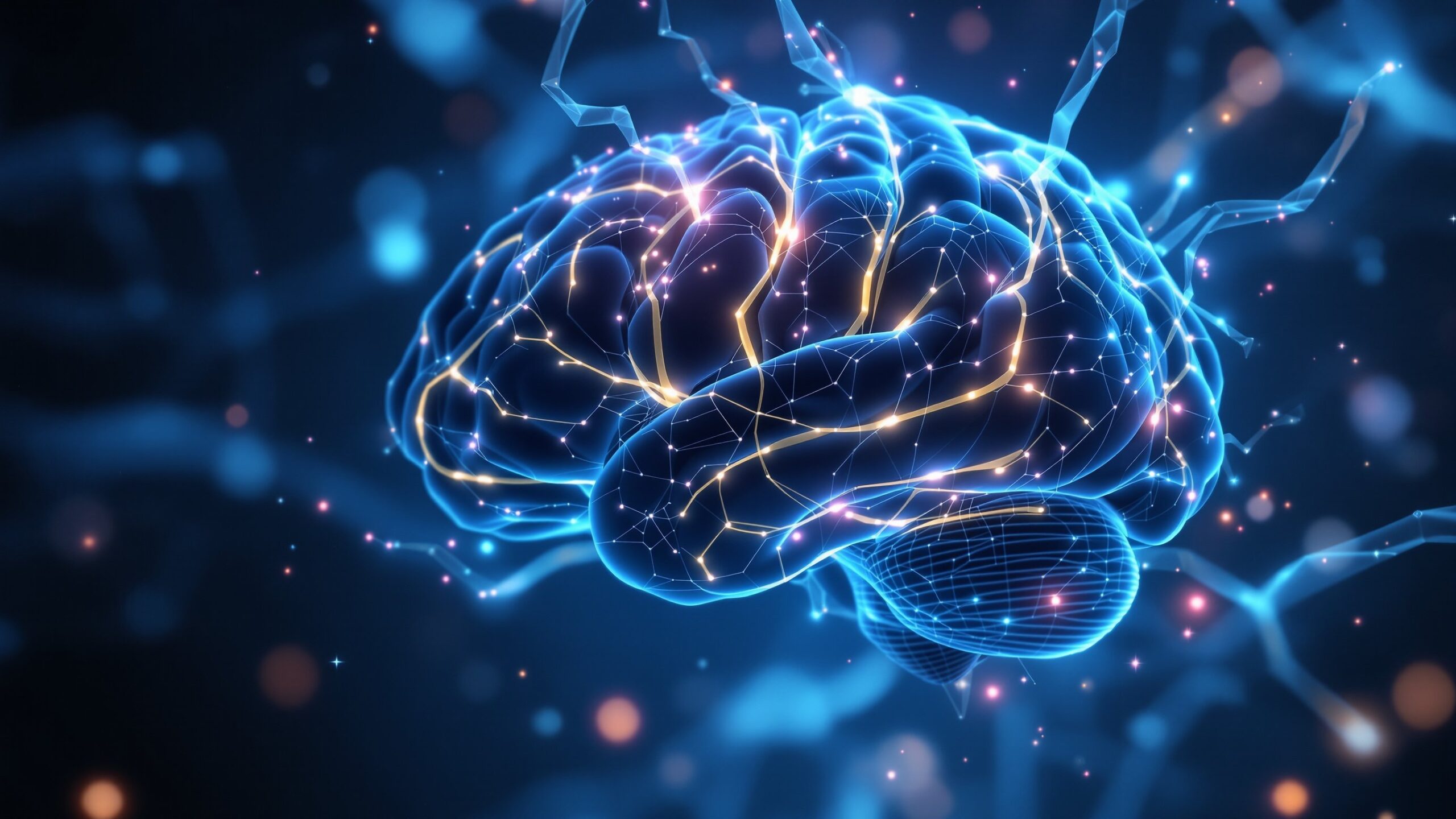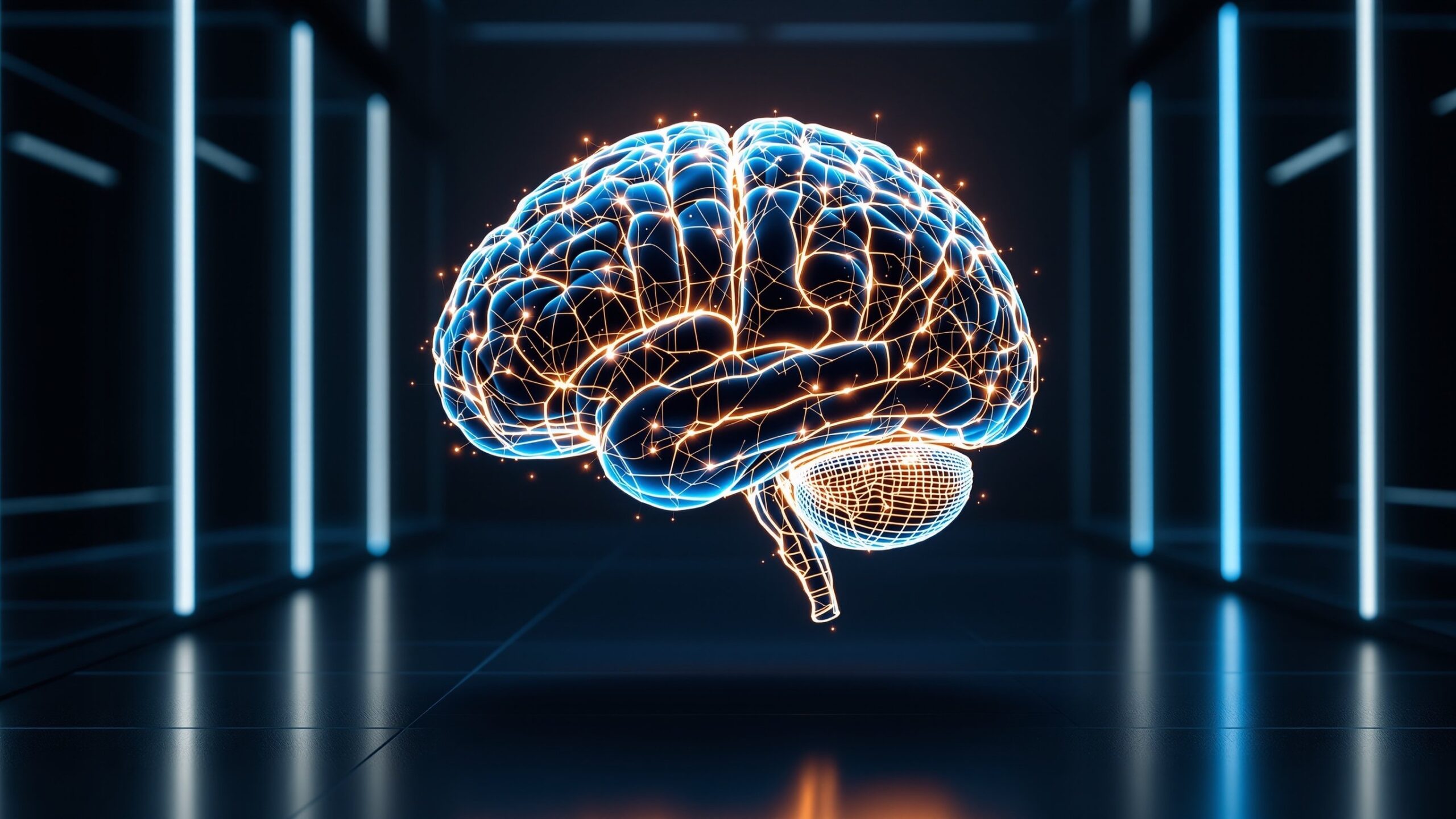
Memory is one of the most fascinating and powerful abilities of the human brain. It allows us to learn new skills, recall cherished experiences, recognize familiar faces, and make sense of the world. Yet memory can also feel mysterious and unreliable—why do some moments stay vivid for decades while others disappear in minutes? Understanding how memory works is the first step toward improving it, strengthening learning, and keeping the mind sharp at any age. This guide breaks down the science of memory in a simple, engaging way, explaining how memories form, why we forget, and what you can do to remember better.
A: Often you recognized it (familiarity) but didn’t practice retrieving it—use quick self-quizzes.
A: It can help organize attention, but it’s weak alone—pair it with recall questions and summaries.
A: Many people do well with 25–45 minutes plus short breaks—enough focus without mental overload.
A: Repeat the name immediately, add an association, and use it once in conversation to reinforce it.
A: Start focused to learn basics, then mix related topics to improve discrimination and test readiness.
A: Yes when they force recall—use “why/how” cards, not just definition flips.
A: Yes—sleep supports consolidation; consistent sleep often improves recall and focus.
A: Make a contrast chart from memory: key differences, examples, and “when to use” rules.
A: End every study block with a 2-minute “no-notes” recap written from memory.
What Is Memory and Why Does It Matter?
Memory is the brain’s ability to encode, store, and retrieve information. Without memory, every experience would feel brand new, and learning would be impossible. Memory helps us build knowledge, form relationships, plan for the future, and maintain a sense of identity.
From remembering your first day at school to recalling a friend’s birthday, memory shapes who you are. It also plays a crucial role in problem-solving, creativity, emotional regulation, and decision-making. In essence, memory is the foundation of human experience.
The Three Main Stages of Memory
Memory is not a single process but a series of steps that the brain performs continuously. Most neuroscientists describe memory in three stages: encoding, storage, and retrieval.
Encoding: Turning Experience Into Memory
Encoding is the process of converting information from your senses into a form your brain can store. When you see a face, hear a song, or read a sentence, your brain translates that sensory input into neural signals.
Encoding can be visual, auditory, or semantic. Visual encoding stores images and scenes, auditory encoding stores sounds and words, and semantic encoding stores meaning and concepts. The deeper and more meaningful the encoding, the stronger the memory tends to be.
Storage: Holding Onto Information
Storage refers to how the brain keeps information over time. Memories are stored across networks of neurons rather than in a single “memory center.” When neurons communicate repeatedly, the connections between them strengthen, creating a stable memory trace. Memories can last seconds, years, or a lifetime depending on how they are stored and reinforced.
Retrieval: Accessing What You Remember
Retrieval is the process of bringing stored information back into awareness. This can happen consciously, like recalling a phone number, or unconsciously, like recognizing a familiar smell. Retrieval depends on cues, context, and how strongly the memory was encoded and stored.
Types of Memory: Short-Term, Long-Term, and Working Memory
Memory is often divided into different systems based on duration and function.
Short-Term Memory
Short-term memory holds small amounts of information for a brief period, typically seconds to minutes. It allows you to remember a phone number long enough to dial it or follow a conversation.
Short-term memory has limited capacity. Most people can hold about seven items, plus or minus two, at a time.
Working Memory
Working memory is closely related to short-term memory but more active. It allows you to manipulate information in real time, such as doing mental math or following directions. Working memory is essential for learning, reasoning, and problem-solving.
Long-Term Memory
Long-term memory stores information for extended periods, from hours to decades. It includes facts, skills, and personal experiences. Long-term memory has an enormous capacity, far beyond what we consciously use.
Different Kinds of Long-Term Memory
Long-term memory can be divided into explicit and implicit systems.
Explicit Memory (Declarative Memory)
Explicit memory includes memories you can consciously recall and describe. It includes:
- Episodic memory, which stores personal experiences and events, such as your last vacation or a childhood birthday.
- Semantic memory, which stores facts and general knowledge, such as historical dates or vocabulary.
Implicit Memory (Non-Declarative Memory)
Implicit memory operates without conscious awareness. It includes:
- Procedural memory, which stores skills like riding a bike or typing.
- Priming and conditioning, where past experiences influence behavior automatically.
How the Brain Stores Memories
Memory formation involves several key brain structures.
The Hippocampus
The hippocampus plays a critical role in forming new memories, especially episodic memories. It acts like a temporary storage center, helping transfer information to long-term storage.
The Cortex
The cerebral cortex stores long-term memories across different regions. Visual memories are stored in visual areas, auditory memories in auditory regions, and so on. This distributed storage makes memory resilient but also complex.
The Amygdala
The amygdala processes emotions and influences how strongly memories are encoded. Emotional events, especially those involving fear or joy, tend to be remembered more vividly because the amygdala signals their importance.
Why Some Memories Are Stronger Than Others
Not all memories are created equal. Several factors influence how well something is remembered.
Emotion and Memory
Emotionally charged events are often remembered more clearly. Strong emotions release neurotransmitters like adrenaline and cortisol, which enhance memory consolidation.
Attention and Focus
Memory depends heavily on attention. If you are distracted, information is less likely to be encoded deeply. Focused attention creates stronger neural connections.
Repetition and Practice
Repeated exposure strengthens memory through a process called consolidation. Each time you recall or rehearse information, the memory trace becomes stronger.
Meaning and Context
Information that is meaningful or connected to existing knowledge is easier to remember. The brain prefers patterns and associations rather than isolated facts.
The Science of Forgetting
Forgetting is a natural and essential part of memory. Without forgetting, the brain would be overwhelmed with information.
Decay Theory
Some memories fade over time if they are not reinforced. Neural connections weaken when they are not used.
Interference
New information can interfere with old memories, and old memories can interfere with new learning. This is known as proactive and retroactive interference.
Retrieval Failure
Sometimes memories are stored but temporarily inaccessible. A lack of cues or context can make retrieval difficult, leading to the “tip-of-the-tongue” phenomenon.
How Sleep Strengthens Memory
Sleep plays a crucial role in memory consolidation. During sleep, especially deep sleep and REM sleep, the brain reorganizes and strengthens memory traces.
Sleep helps transfer information from short-term storage in the hippocampus to long-term storage in the cortex. Lack of sleep impairs learning, attention, and recall, making quality rest essential for good memory.
The Role of Neuroplasticity
Neuroplasticity is the brain’s ability to change and adapt. When you learn something new, neurons form new connections and strengthen existing ones. This plasticity allows memory improvement at any age. Activities like learning a new language, playing an instrument, or solving puzzles stimulate neuroplasticity and enhance memory performance.
Simple Strategies to Remember Better
Improving memory does not require extraordinary talent. Small habits and techniques can make a significant difference.
Use Association and Visualization
Connecting new information to familiar images or concepts helps encode it more deeply. Visualizing a vivid scene or story creates multiple retrieval cues.
Practice Spaced Repetition
Spacing out practice sessions over time strengthens long-term retention more than cramming. Revisiting information at increasing intervals reinforces memory consolidation.
Teach What You Learn
Explaining information to someone else forces deeper processing and strengthens memory. Teaching activates multiple cognitive processes that enhance retention.
Use Mnemonics
Mnemonics are memory aids that use patterns, acronyms, or rhymes. They simplify complex information and make it easier to recall.
Stay Organized
External organization, such as writing notes or using reminders, reduces cognitive load and helps you focus on meaningful learning.
Lifestyle Habits That Boost Memory
Memory is influenced by overall brain health. Several lifestyle factors play a major role.
Physical Exercise
Regular physical activity increases blood flow to the brain and promotes the growth of new neurons. Exercise has been linked to improved memory and cognitive performance.
Nutrition
A balanced diet rich in omega-3 fatty acids, antioxidants, and vitamins supports brain health. Foods like fish, nuts, berries, and leafy greens are particularly beneficial.
Stress Management
Chronic stress can impair memory by affecting the hippocampus. Relaxation techniques such as meditation, deep breathing, and mindfulness help protect memory function.
Social Interaction
Social engagement stimulates cognitive processes and emotional centers in the brain, supporting memory and mental health.
Memory and Aging: What Changes Over Time?
As people age, some memory decline is normal. Processing speed and working memory may decrease, but long-term knowledge and experience often remain strong. Engaging in mentally stimulating activities, maintaining a healthy lifestyle, and staying socially active can slow cognitive decline and support memory well into older age.
Common Memory Myths Debunked
Many myths surround memory, leading to misunderstandings.
One common myth is that people use only a small percentage of their brain. In reality, most brain regions are active at different times. Another myth is that memory is like a video recorder. Memories are reconstructive and can change over time.
Understanding these misconceptions helps set realistic expectations and encourages effective memory practices.
The Future of Memory Research
Advances in neuroscience and technology are expanding our understanding of memory. Researchers are exploring ways to enhance memory, treat memory disorders, and even restore lost memories using brain stimulation, pharmaceuticals, and AI-driven cognitive training. These discoveries could transform education, mental health, and aging, making memory science one of the most exciting fields in modern research.
Building a Better Memory
Memory is not fixed or predetermined. It is a dynamic, adaptable system that can be strengthened with the right strategies and habits. By understanding how memory works and applying simple techniques, anyone can improve their ability to learn, recall information, and stay mentally sharp. Whether you are a student, professional, or lifelong learner, investing in your memory is an investment in your future. The brain’s remarkable capacity for growth means it is never too late to remember better.