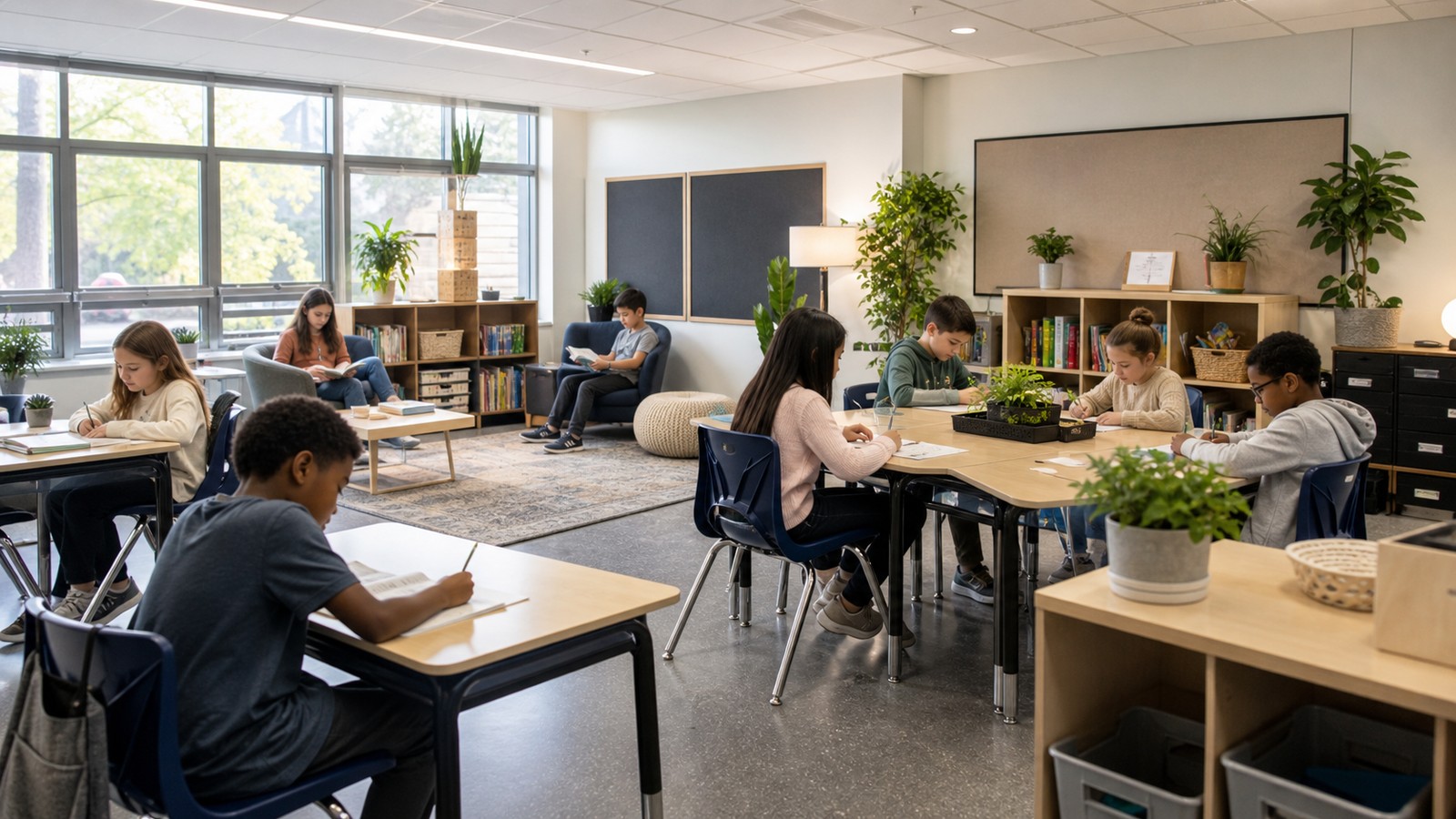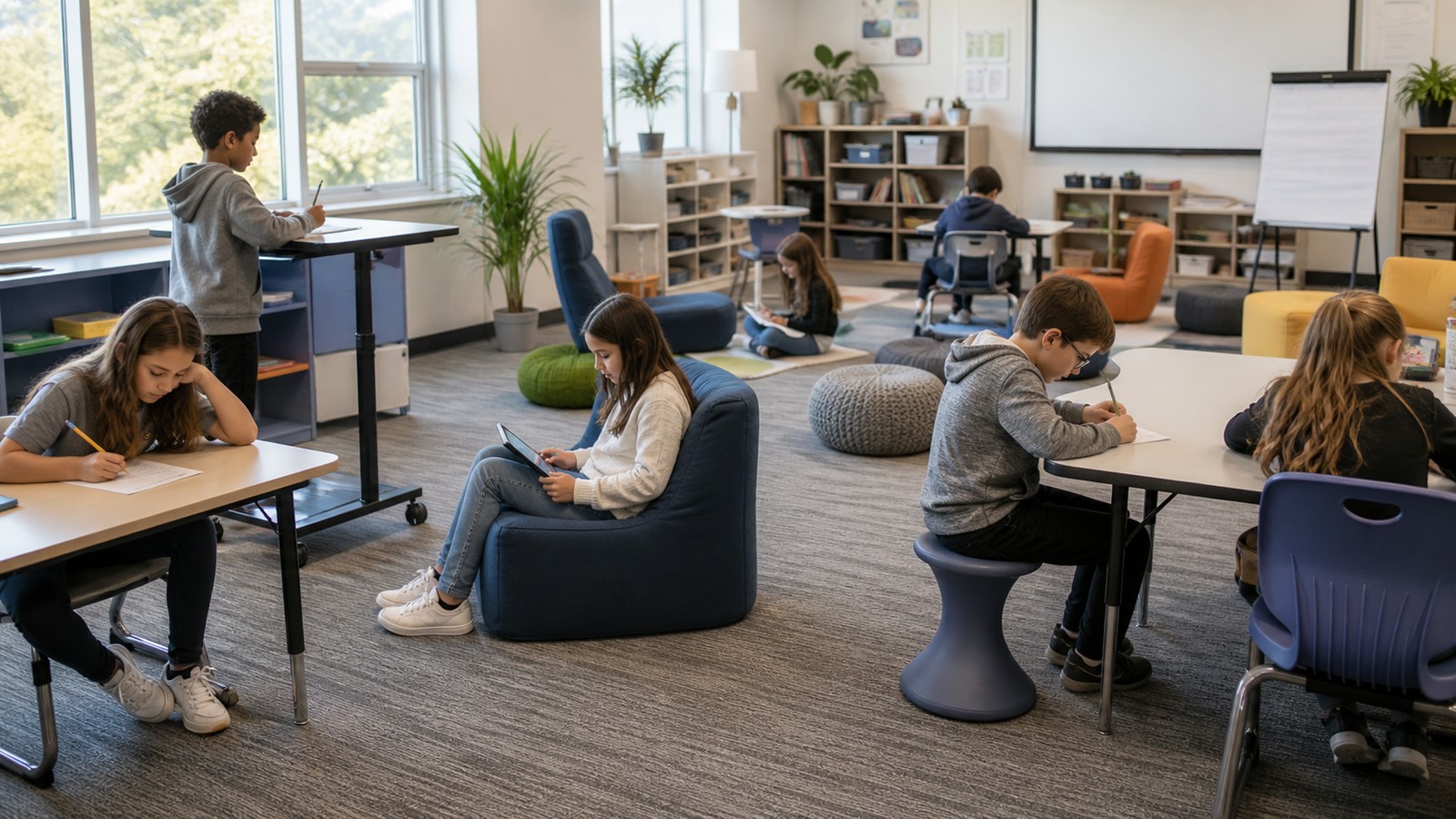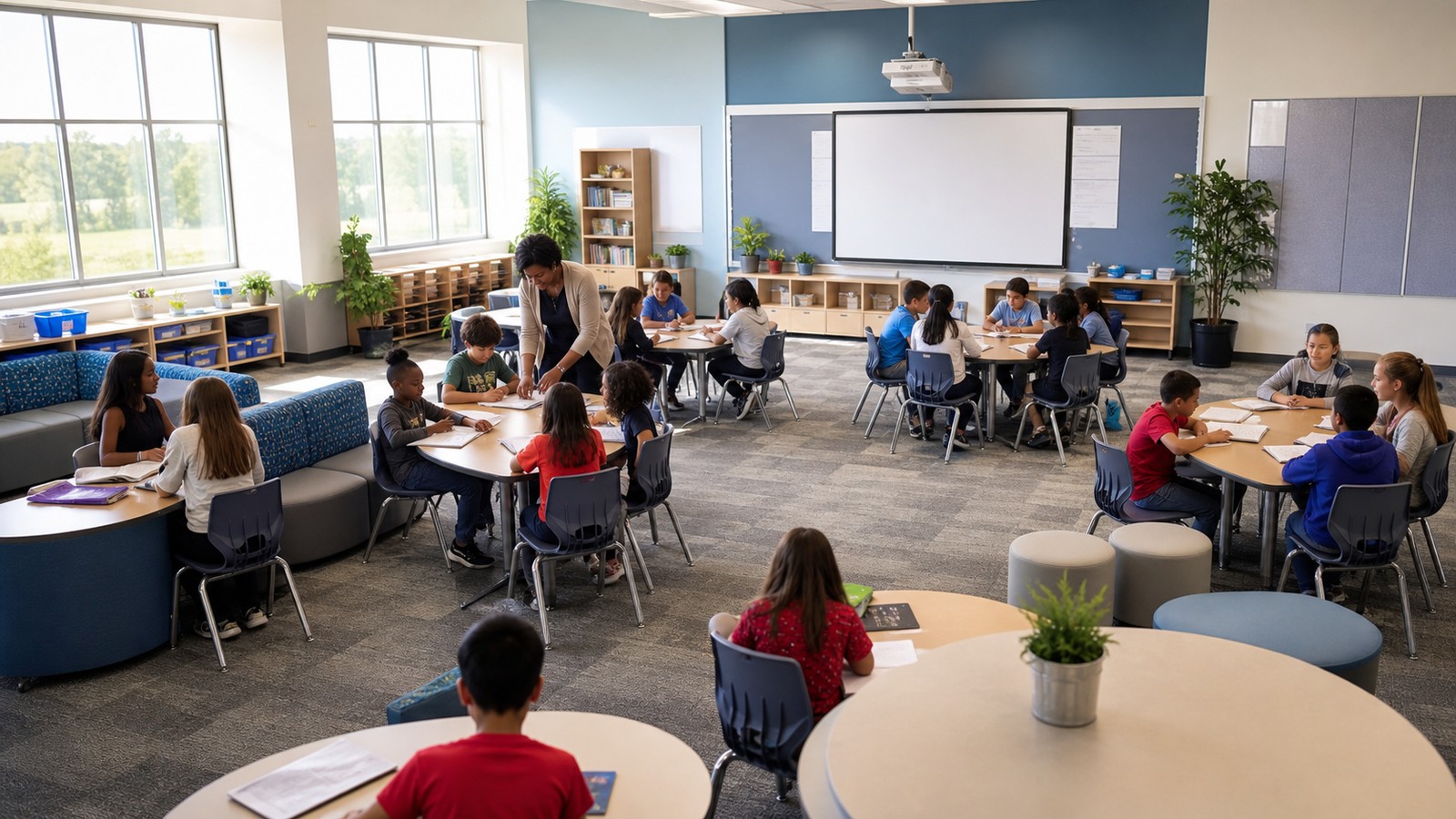
Most people first encounter this topic as a simple rule or familiar phrase, yet its practical meaning is much richer. How Classroom Layout Affects Student Learning Outcomes deserves more than a quick definition because the ideas behind it shape real decisions, learning, and public discussion. This guide takes an evidence-minded look at how spatial choices influence participation, access, collaboration, and cognitive load. It introduces the subject in plain language, connects major concepts without assuming specialist knowledge, and points out the misunderstandings that most often confuse beginners. Rather than treating the topic as a collection of trivia, the discussion follows a set of practical questions: What is happening? Why does it matter? What evidence or reasoning supports the explanation? Where are the limits? By the end, readers should have a useful framework they can carry into classrooms, conversations, travel, work, or further study.
A: The best layout depends on the lesson: rows for focus, groups for collaboration, and circles for discussion.
A: Yes. Clear pathways, thoughtful grouping, and teacher proximity can reduce distractions and disruptions.
A: No. Rows can work well for direct instruction, testing, and quiet independent tasks.
A: Use it for discussion, projects, peer support, problem solving, and cooperative learning.
A: Too much clutter can increase distraction and make it harder for students to focus.
A: Choice can build independence, but it works best with clear expectations and teacher guidance.
A: Change it when the learning activity changes or when current seating stops supporting focus.
A: Clear sightlines, reduced visual clutter, flexible seating, and fewer nearby distractions can help.
A: Yes. Comfortable lighting can support alertness, mood, and reading comfort.
A: Keep pathways open, reduce clutter, and make sure every student can see instruction clearly.
Layout Sends a Message Before Teaching Begins
Most people first encounter this topic as a simple rule or familiar phrase, yet its practical meaning is much richer. This article uses an evidence-minded look at how spatial choices influence participation, access, collaboration, and cognitive load. That distinction matters because For a beginner, layout sends a message before teaching begins becomes clearer when it is connected to a concrete decision, comparison, or observation rather than presented as a label. The relationship between classroom and affects is rarely automatic; context, purpose, available evidence, and human judgment all influence the result. A strong explanation separates the central principle from exceptions, then shows how the principle behaves across more than one setting. This approach also prevents an easy mistake: treating one memorable example as if it represented the entire classroom design & ergonomics field. Useful understanding should survive a change in circumstances, so readers should ask what stays constant, what varies, and which assumptions are doing the work. People often improve fastest when they can name the goal, observe feedback, and make one deliberate adjustment at a time. The goal is not to memorize an isolated fact, but to recognize the relationship and use it thoughtfully.
Sightlines Shape Access to Instruction
The topic can look straightforward from a distance, but closer attention reveals several connected questions. This article uses an evidence-minded look at how spatial choices influence participation, access, collaboration, and cognitive load. In practical terms, The relationship between layout and student is rarely automatic; context, purpose, available evidence, and human judgment all influence the result. A strong explanation separates the central principle from exceptions, then shows how the principle behaves across more than one setting. This approach also prevents an easy mistake: treating one memorable example as if it represented the entire classroom design & ergonomics field. Useful understanding should survive a change in circumstances, so readers should ask what stays constant, what varies, and which assumptions are doing the work. People often improve fastest when they can name the goal, observe feedback, and make one deliberate adjustment at a time. The topic is therefore less about collecting disconnected facts and more about building a mental model that can organize new information. Once this connection is visible, the subject becomes easier to explain, apply, and question.
Distance Changes Participation
The best introduction to this idea is not a definition alone, but a clear picture of how it works in real situations. This article uses an evidence-minded look at how spatial choices influence participation, access, collaboration, and cognitive load. Seen from another angle, A strong explanation separates the central principle from exceptions, then shows how the principle behaves across more than one setting. This approach also prevents an easy mistake: treating one memorable example as if it represented the entire classroom design & ergonomics field. Useful understanding should survive a change in circumstances, so readers should ask what stays constant, what varies, and which assumptions are doing the work. People often improve fastest when they can name the goal, observe feedback, and make one deliberate adjustment at a time. The topic is therefore less about collecting disconnected facts and more about building a mental model that can organize new information. Good judgment grows from comparison: one case shows the basic pattern, another reveals a limit, and a third demonstrates how the idea adapts. That perspective replaces a shallow shortcut with a durable way of thinking.
Seating Patterns Influence Conversation
Most people first encounter this topic as a simple rule or familiar phrase, yet its practical meaning is much richer. This article uses an evidence-minded look at how spatial choices influence participation, access, collaboration, and cognitive load. The deeper point is that This approach also prevents an easy mistake: treating one memorable example as if it represented the entire classroom design & ergonomics field. Useful understanding should survive a change in circumstances, so readers should ask what stays constant, what varies, and which assumptions are doing the work. People often improve fastest when they can name the goal, observe feedback, and make one deliberate adjustment at a time. The topic is therefore less about collecting disconnected facts and more about building a mental model that can organize new information. Good judgment grows from comparison: one case shows the basic pattern, another reveals a limit, and a third demonstrates how the idea adapts. For a beginner, seating patterns influence conversation becomes clearer when it is connected to a concrete decision, comparison, or observation rather than presented as a label. It also gives beginners a sensible next step instead of asking them to master everything at once.
Crowding Raises Cognitive Demands
The topic can look straightforward from a distance, but closer attention reveals several connected questions. This article uses an evidence-minded look at how spatial choices influence participation, access, collaboration, and cognitive load. A common misunderstanding appears when Useful understanding should survive a change in circumstances, so readers should ask what stays constant, what varies, and which assumptions are doing the work. People often improve fastest when they can name the goal, observe feedback, and make one deliberate adjustment at a time. The topic is therefore less about collecting disconnected facts and more about building a mental model that can organize new information. Good judgment grows from comparison: one case shows the basic pattern, another reveals a limit, and a third demonstrates how the idea adapts. For a beginner, crowding raises cognitive demands becomes clearer when it is connected to a concrete decision, comparison, or observation rather than presented as a label. The relationship between learning and classroom is rarely automatic; context, purpose, available evidence, and human judgment all influence the result. Understanding grows when the learner can compare examples, test assumptions, and revise an explanation.
Mobility Supports Responsive Teaching
The best introduction to this idea is not a definition alone, but a clear picture of how it works in real situations. This article uses an evidence-minded look at how spatial choices influence participation, access, collaboration, and cognitive load. This becomes especially important when People often improve fastest when they can name the goal, observe feedback, and make one deliberate adjustment at a time. The topic is therefore less about collecting disconnected facts and more about building a mental model that can organize new information. Good judgment grows from comparison: one case shows the basic pattern, another reveals a limit, and a third demonstrates how the idea adapts. For a beginner, mobility supports responsive teaching becomes clearer when it is connected to a concrete decision, comparison, or observation rather than presented as a label. The relationship between outcomes and layout is rarely automatic; context, purpose, available evidence, and human judgment all influence the result. A strong explanation separates the central principle from exceptions, then shows how the principle behaves across more than one setting. The goal is not to memorize an isolated fact, but to recognize the relationship and use it thoughtfully.
Accessibility Is a Learning Condition
Most people first encounter this topic as a simple rule or familiar phrase, yet its practical meaning is much richer. This article uses an evidence-minded look at how spatial choices influence participation, access, collaboration, and cognitive load. The idea is easier to see when The topic is therefore less about collecting disconnected facts and more about building a mental model that can organize new information. Good judgment grows from comparison: one case shows the basic pattern, another reveals a limit, and a third demonstrates how the idea adapts. For a beginner, accessibility is a learning condition becomes clearer when it is connected to a concrete decision, comparison, or observation rather than presented as a label. The relationship between classroom and affects is rarely automatic; context, purpose, available evidence, and human judgment all influence the result. A strong explanation separates the central principle from exceptions, then shows how the principle behaves across more than one setting. This approach also prevents an easy mistake: treating one memorable example as if it represented the entire classroom design & ergonomics field. Once this connection is visible, the subject becomes easier to explain, apply, and question.
Acoustics Interact With Arrangement
The topic can look straightforward from a distance, but closer attention reveals several connected questions. This article uses an evidence-minded look at how spatial choices influence participation, access, collaboration, and cognitive load. What changes the outcome is Good judgment grows from comparison: one case shows the basic pattern, another reveals a limit, and a third demonstrates how the idea adapts. For a beginner, acoustics interact with arrangement becomes clearer when it is connected to a concrete decision, comparison, or observation rather than presented as a label. The relationship between layout and student is rarely automatic; context, purpose, available evidence, and human judgment all influence the result. A strong explanation separates the central principle from exceptions, then shows how the principle behaves across more than one setting. This approach also prevents an easy mistake: treating one memorable example as if it represented the entire classroom design & ergonomics field. Useful understanding should survive a change in circumstances, so readers should ask what stays constant, what varies, and which assumptions are doing the work. That perspective replaces a shallow shortcut with a durable way of thinking.
No Single Layout Wins Every Lesson
The best introduction to this idea is not a definition alone, but a clear picture of how it works in real situations. This article uses an evidence-minded look at how spatial choices influence participation, access, collaboration, and cognitive load. That distinction matters because For a beginner, no single layout wins every lesson becomes clearer when it is connected to a concrete decision, comparison, or observation rather than presented as a label. The relationship between affects and learning is rarely automatic; context, purpose, available evidence, and human judgment all influence the result. A strong explanation separates the central principle from exceptions, then shows how the principle behaves across more than one setting. This approach also prevents an easy mistake: treating one memorable example as if it represented the entire classroom design & ergonomics field. Useful understanding should survive a change in circumstances, so readers should ask what stays constant, what varies, and which assumptions are doing the work. People often improve fastest when they can name the goal, observe feedback, and make one deliberate adjustment at a time. It also gives beginners a sensible next step instead of asking them to master everything at once.
Evaluate Outcomes and Adjust the Room
Most people first encounter this topic as a simple rule or familiar phrase, yet its practical meaning is much richer. This article uses an evidence-minded look at how spatial choices influence participation, access, collaboration, and cognitive load. In practical terms, The relationship between student and outcomes is rarely automatic; context, purpose, available evidence, and human judgment all influence the result. A strong explanation separates the central principle from exceptions, then shows how the principle behaves across more than one setting. This approach also prevents an easy mistake: treating one memorable example as if it represented the entire classroom design & ergonomics field. Useful understanding should survive a change in circumstances, so readers should ask what stays constant, what varies, and which assumptions are doing the work. People often improve fastest when they can name the goal, observe feedback, and make one deliberate adjustment at a time. The topic is therefore less about collecting disconnected facts and more about building a mental model that can organize new information. Understanding grows when the learner can compare examples, test assumptions, and revise an explanation.